

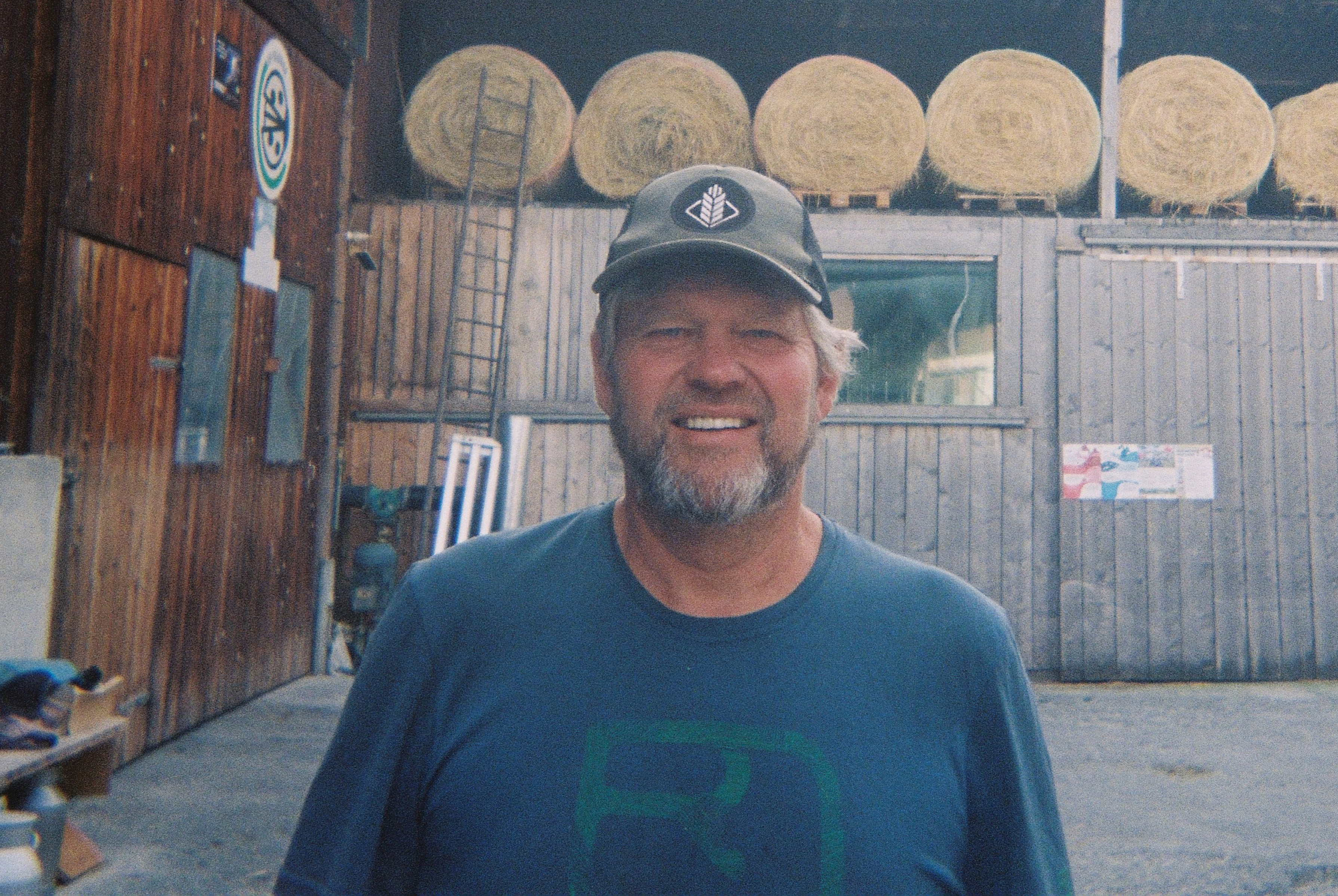
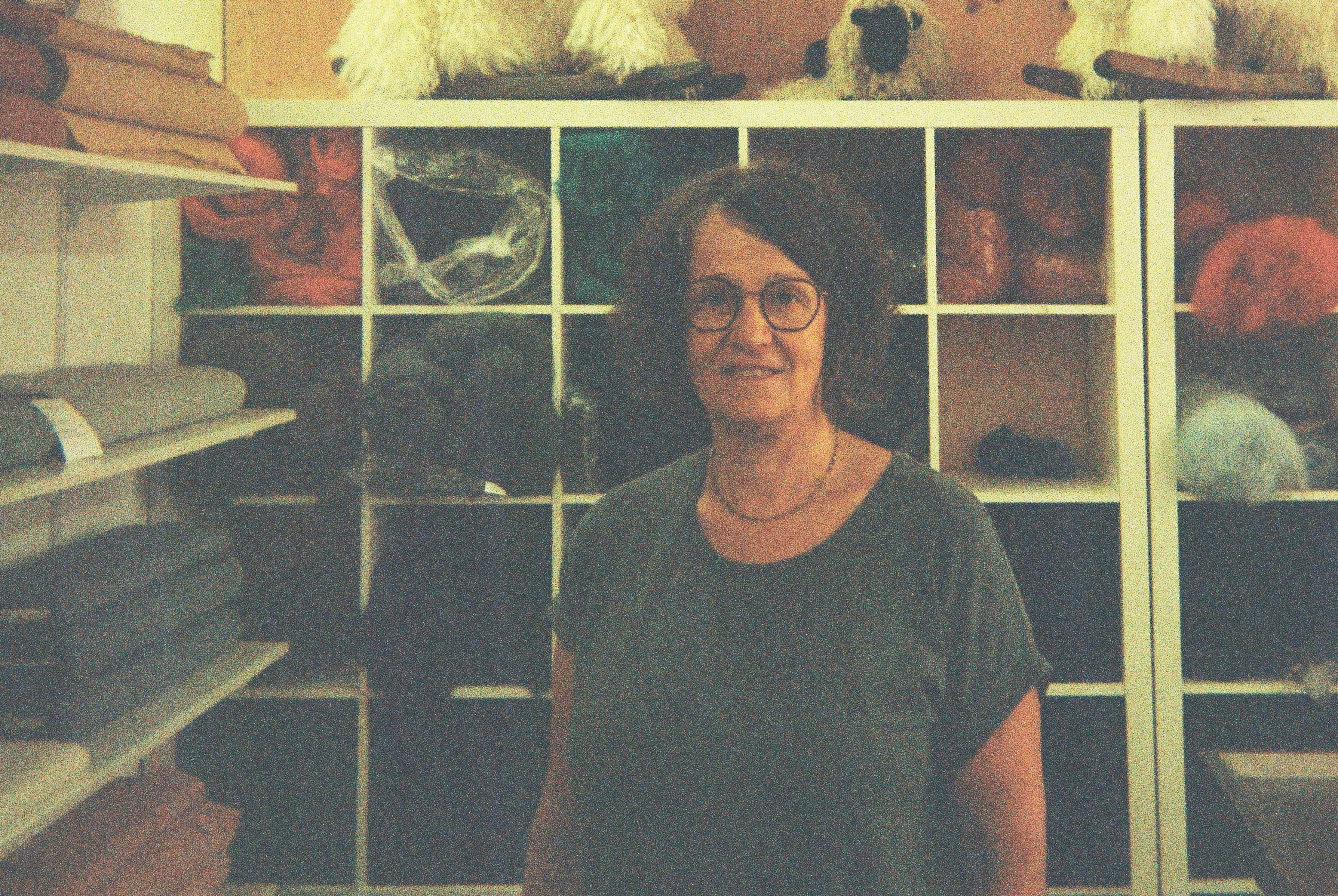
Ruth and Heinz Brog, Wool pioneer and farmer
Welcome to the farm
Our daily lives bring together two working worlds that belong together. Early in the morning, Heinz starts by tending to the animals in the barn and works on our farmland. Later on, his day takes him to me in the wool production area, then to the studio, and finally to the shop to see the finished products. In this post, we’ll share the story from Heinz’s perspective and then switch to mine. This is how our shared daily routine unfolds in and around the Meiringen Wool Kingdom.
Heinz: Early morning wake-up call
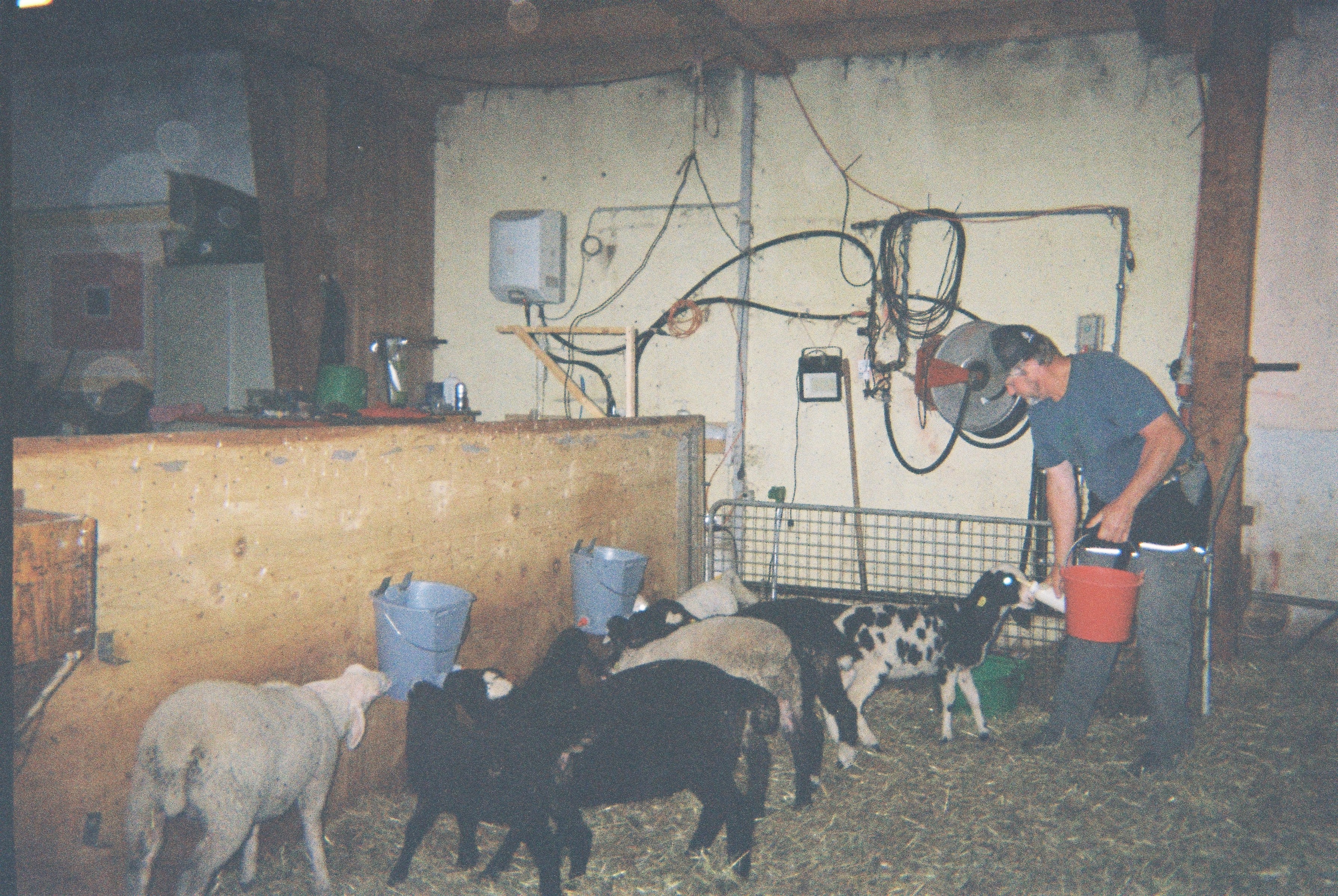
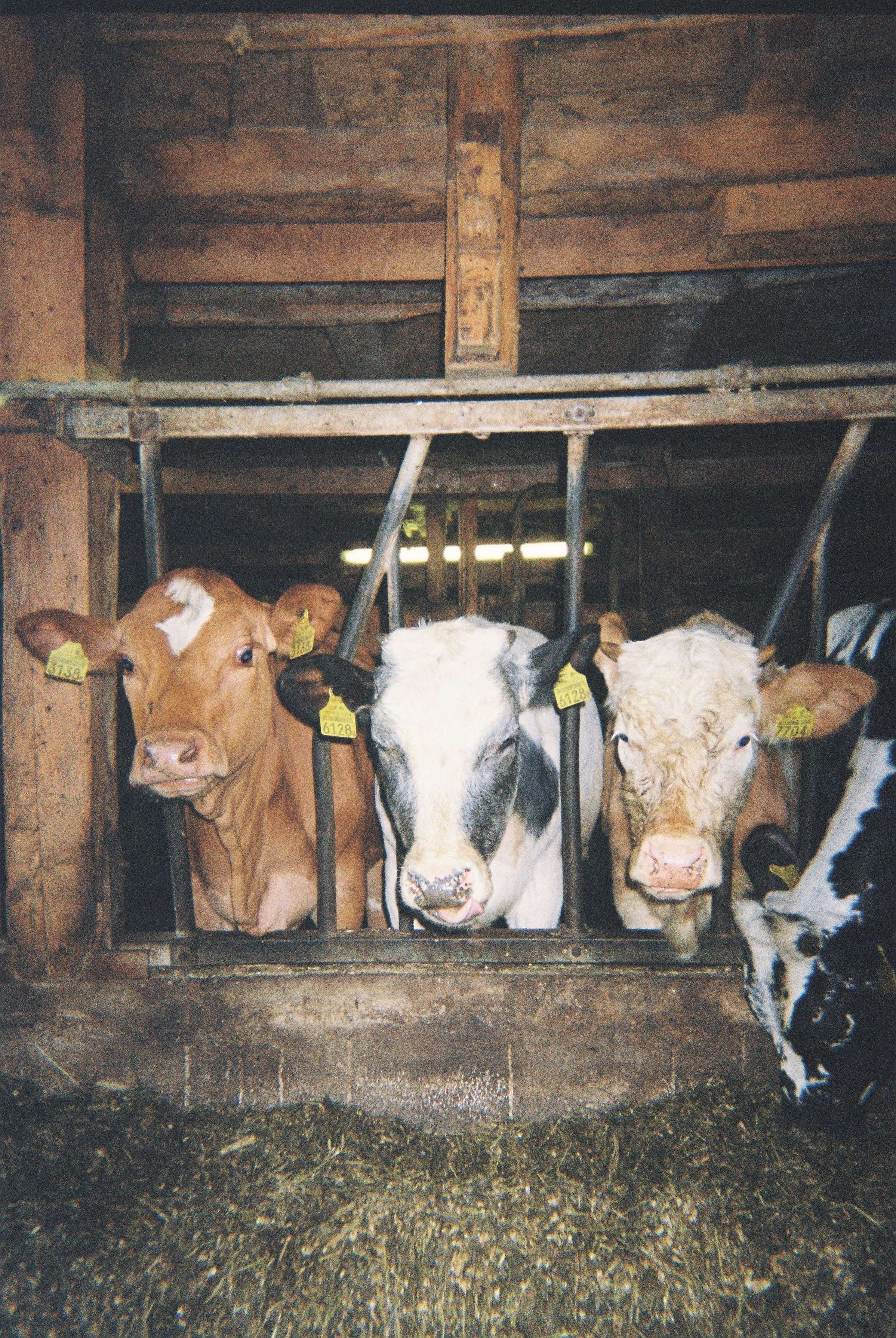
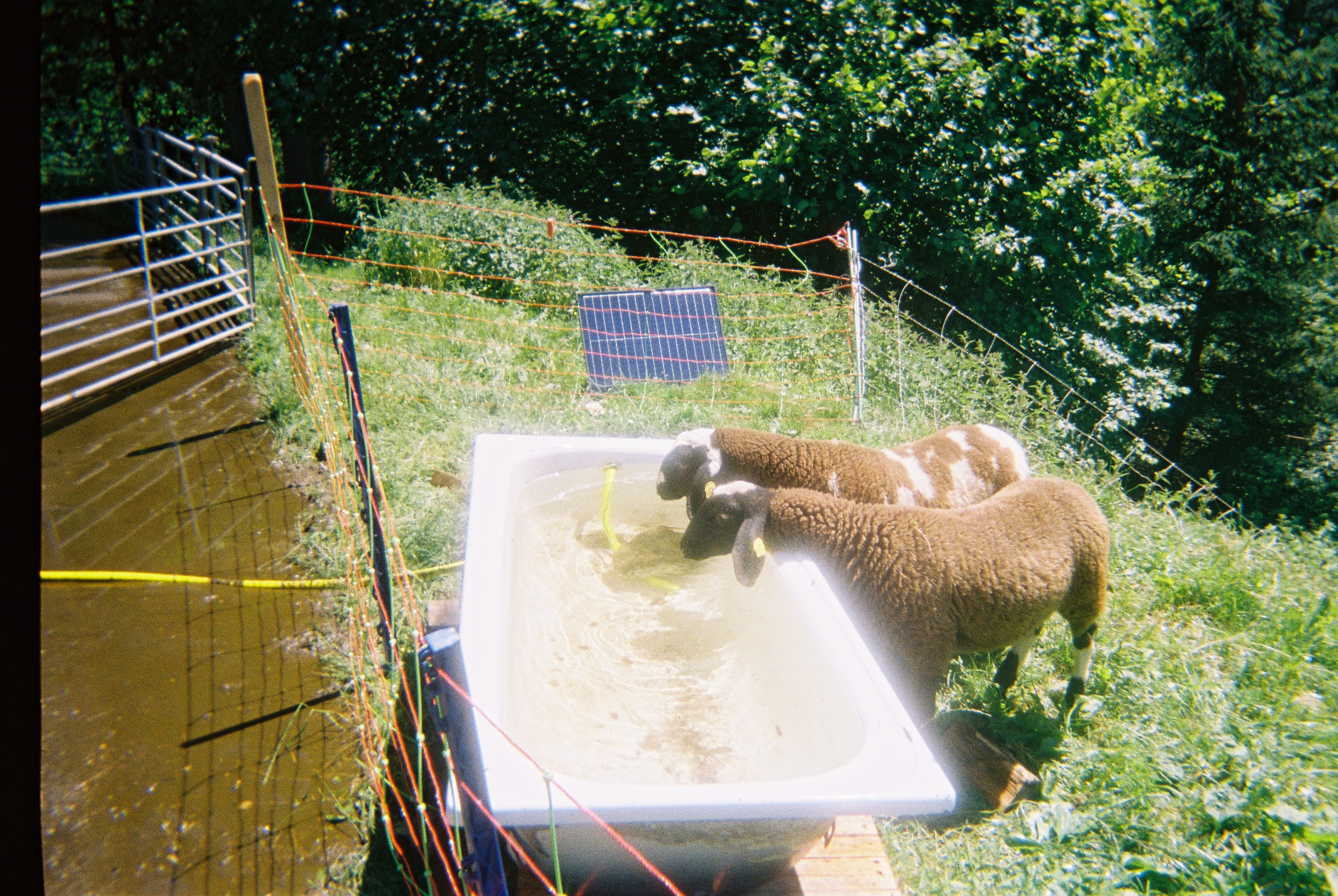
My day usually starts at five o’clock. First thing in the morning, I walk through the barn. I check how the animals are doing, whether they’re eating and whether any of them are behaving differently from usual. Anyone who works with them every day quickly spots even small changes. Most ewes manage on their own. Some, however, need support or have to stay temporarily in a separate pen with their lambs so that they can get used to each other. During lambing season, things can start even earlier. We take turns during the night so that there’s always someone near the animals who can step in if a ewe or a lamb needs help. After that, it’s feeding time. Silage, maize and hay are combined to ensure the animals are well looked after throughout the day. Even though this work is repeated every day, no two mornings are exactly the same. Afterwards, I have a coffee, often with the farm’s tenant or my son, as well as other local farmers. It’s a chance to catch up and support one another.
More than just grass and sheep
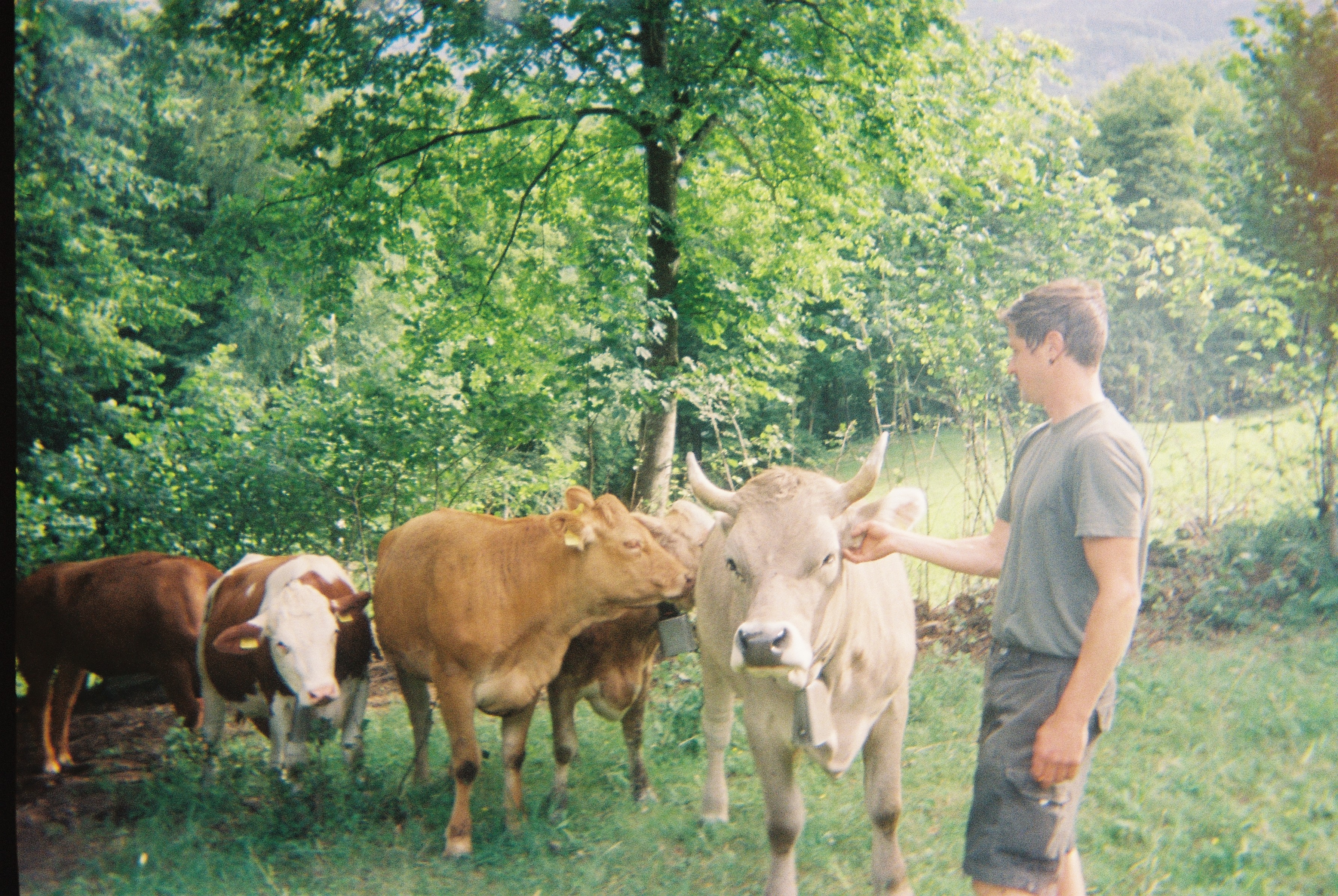
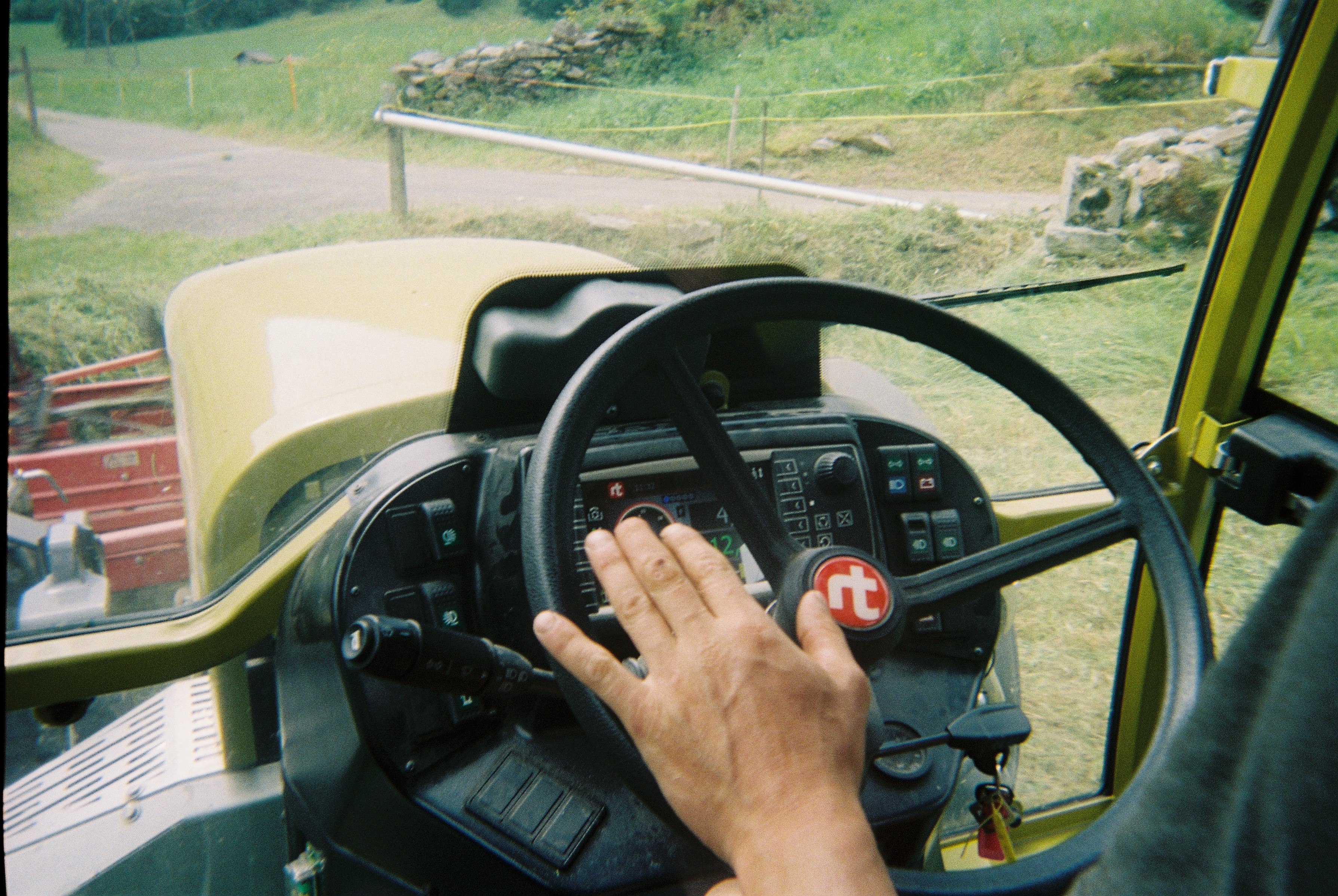
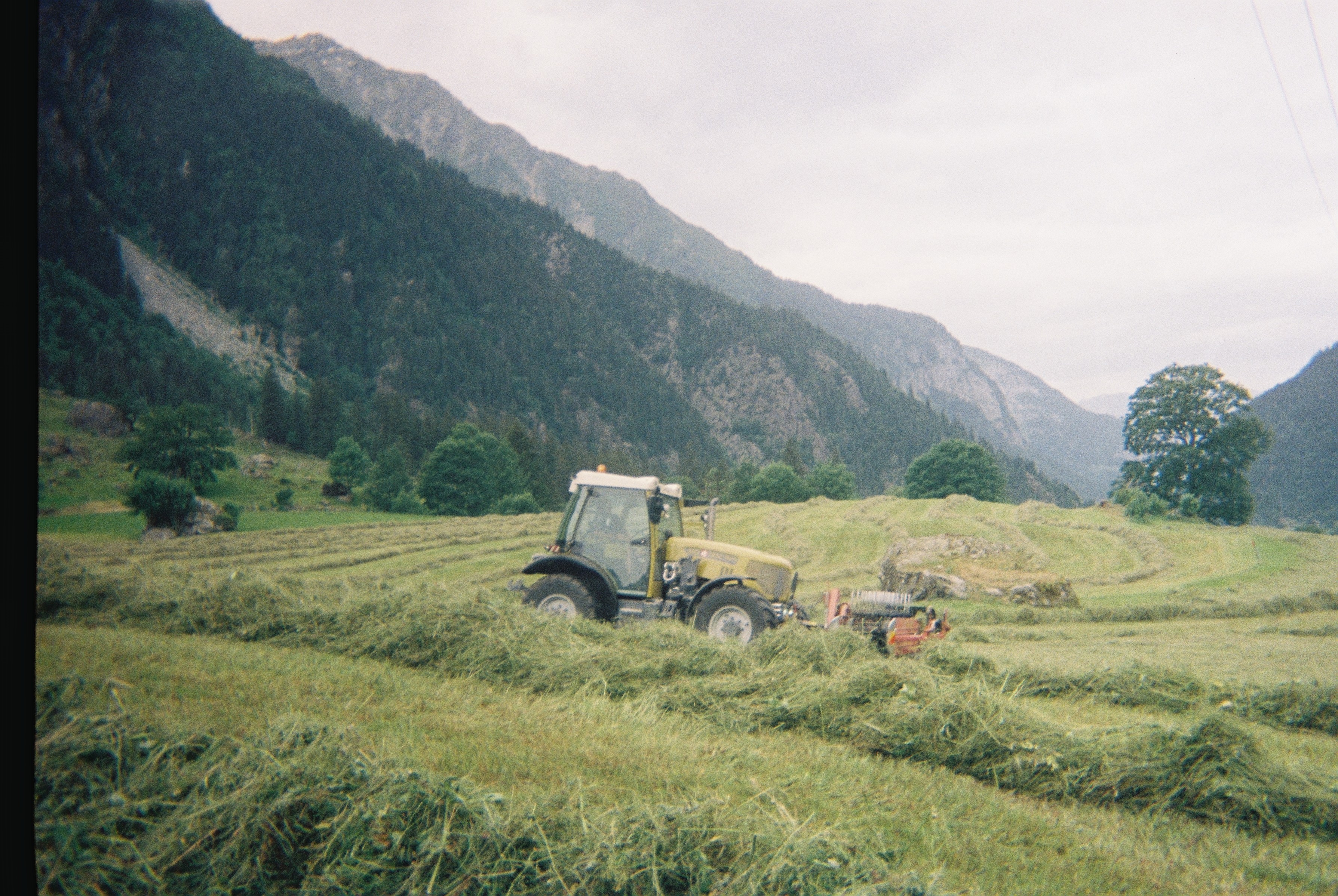
Later, we head out into our fields. In total, we farm around 40 hectares of land, a large part of which is leased. The animals graze on the grass and, at the same time, keep the meadows open. This not only produces meat and wool, but also creates the cultural landscape that characterises the region. Our greatest asset is this well-maintained landscape. For me, this is an important part of our work. Guests don’t just come here for the mountains. They also experience the meadows, the animals and a landscape that has been farmed for generations. To ensure it is preserved, someone has to look after it every day.

A visit to the alp
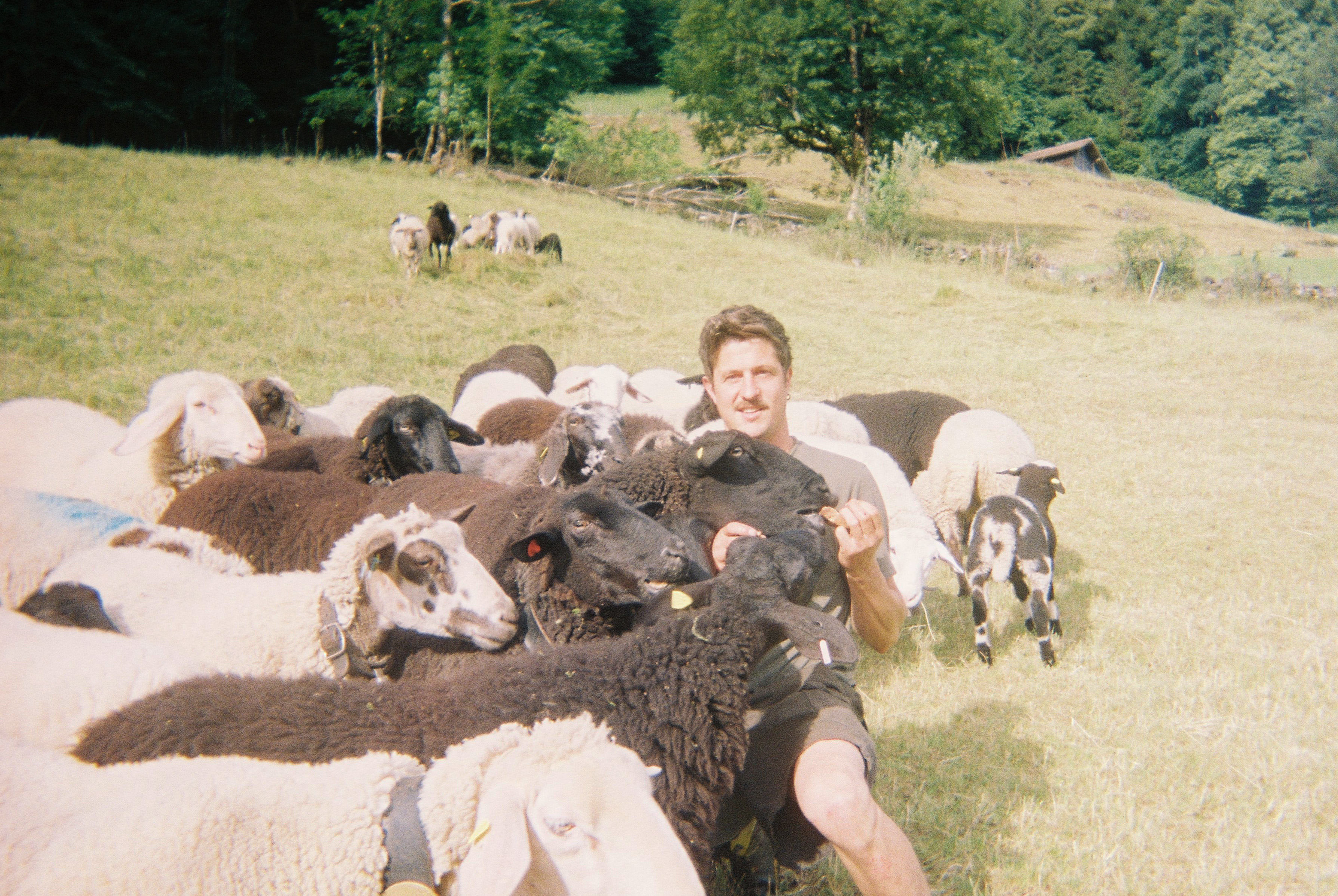
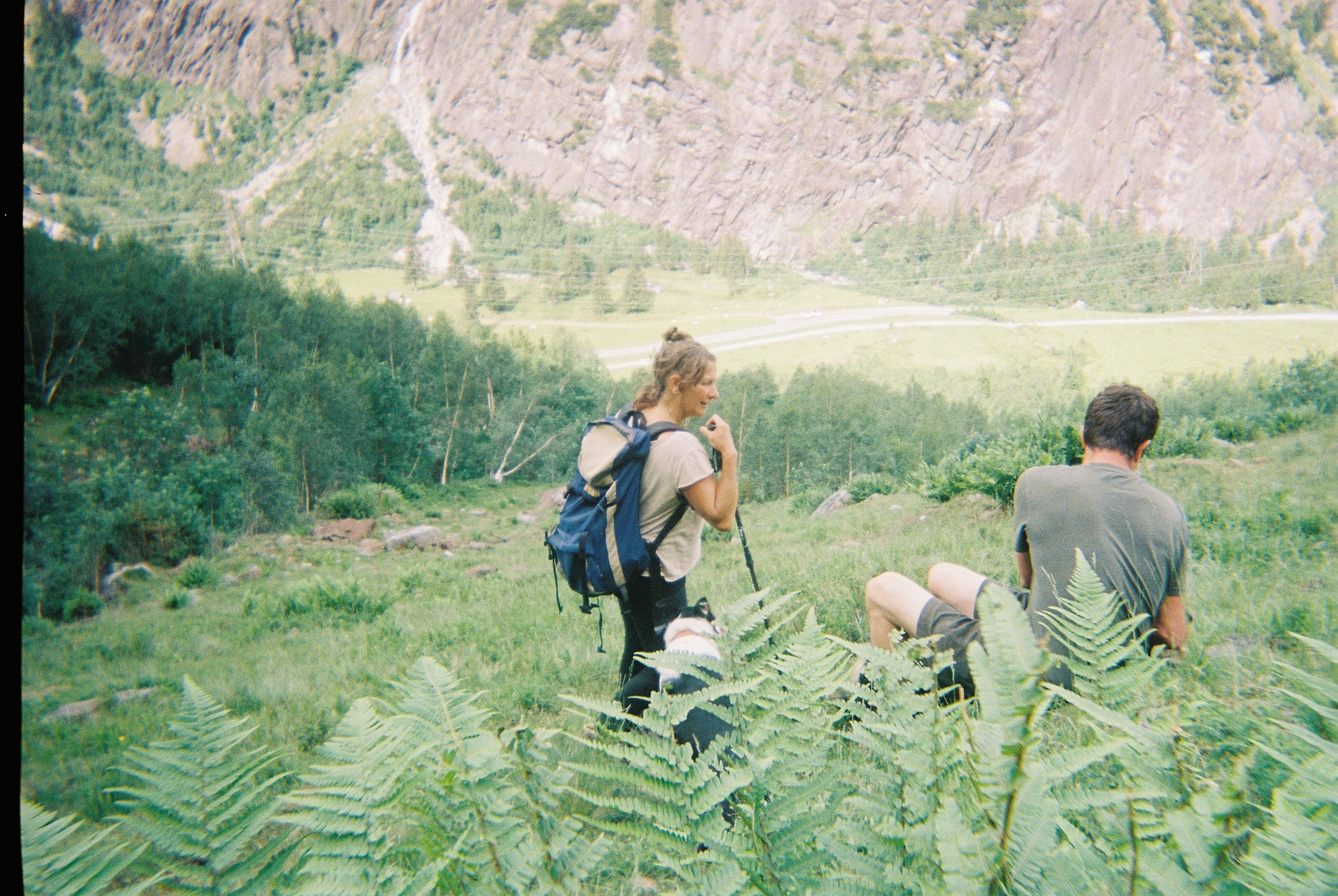
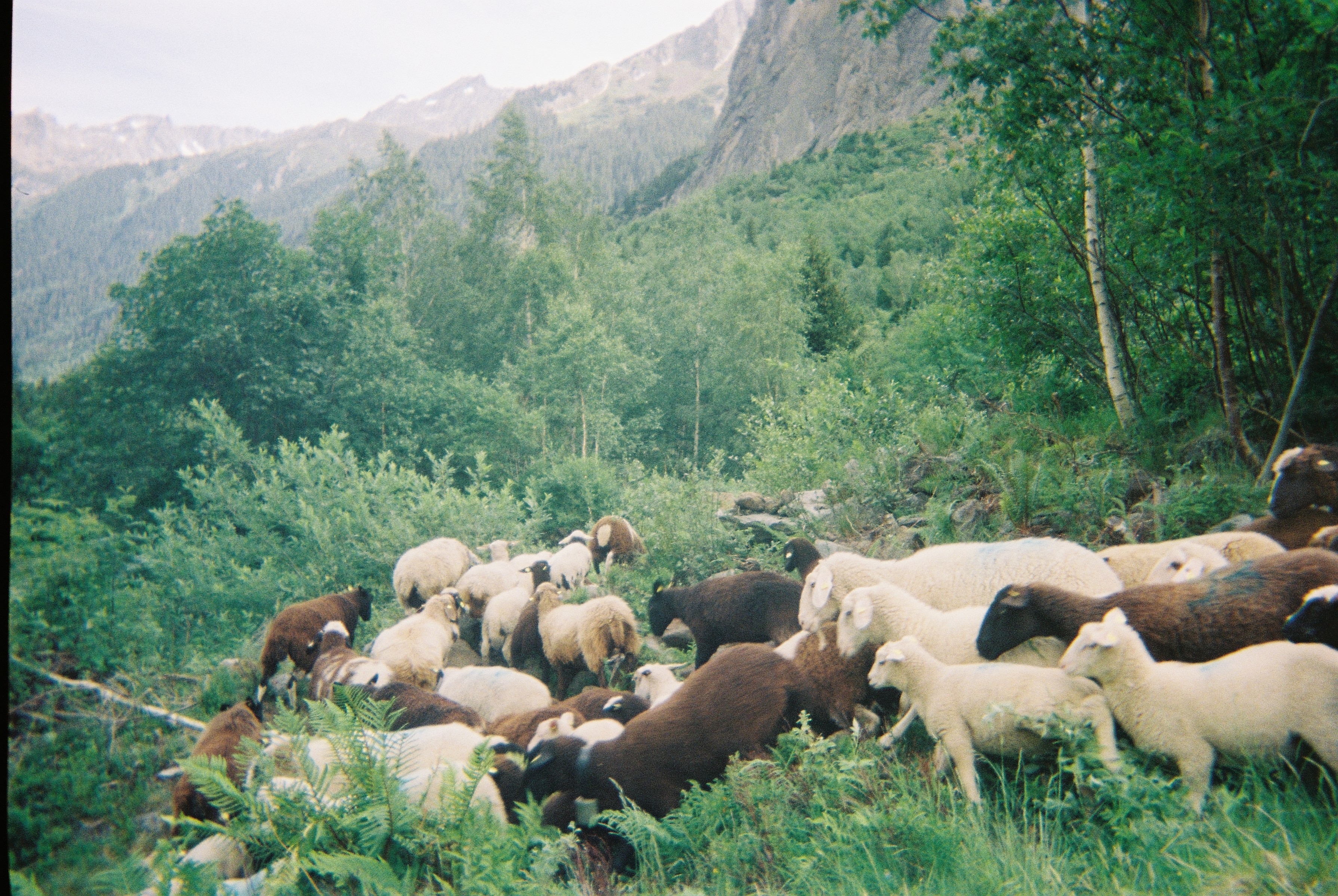
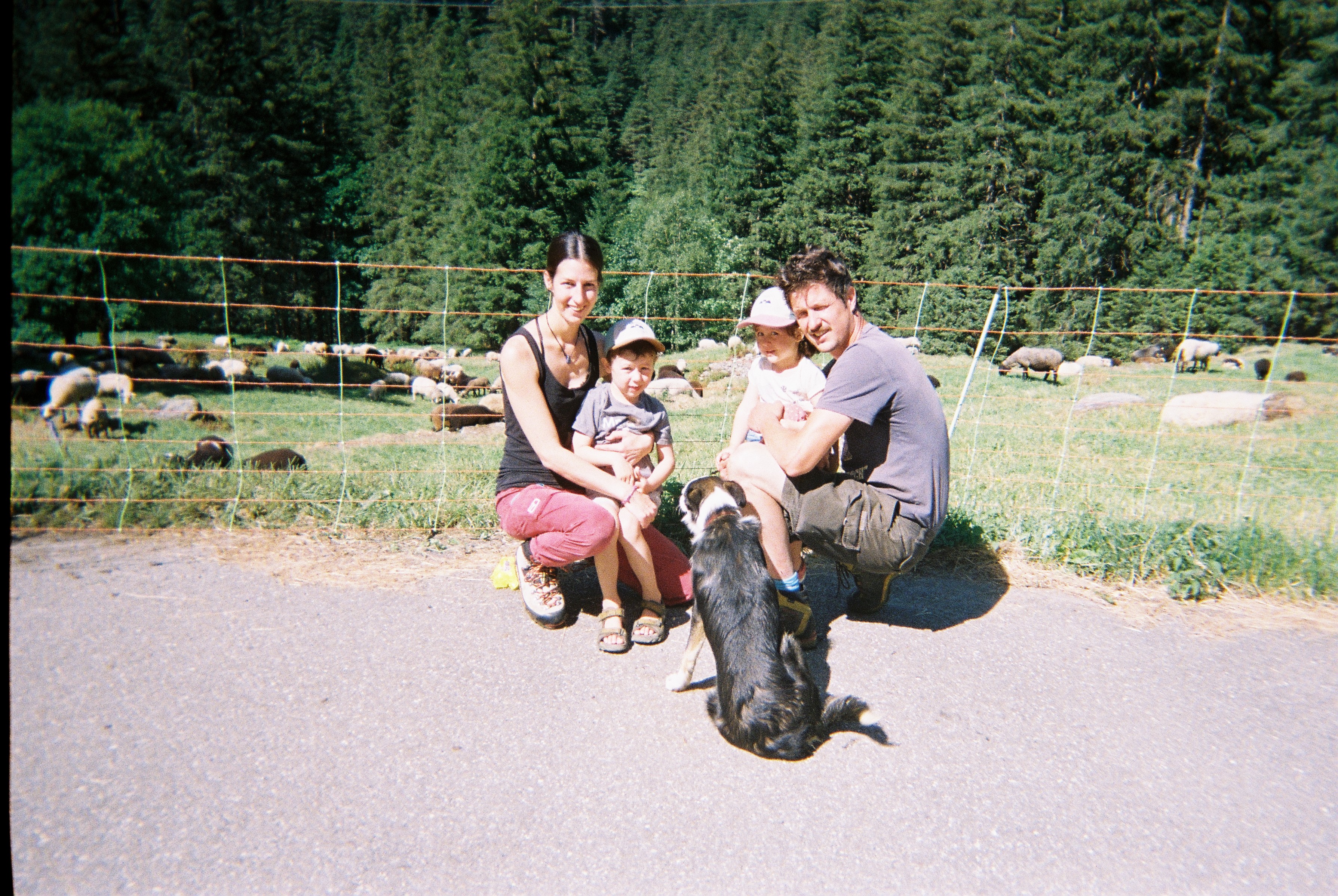
In summer, part of the flock is up on the alp. There, the animals roam over vast areas, some of which are difficult to access. Alongside the weather, injuries and daily checks, the wolf is now also one of the concerns we have to contend with. We cannot stand constantly beside every single sheep. That is why we need vigilance, experience and protective measures that can actually be implemented on steep terrain. The joy of a good alpine summer remains great. At the same time, we always bear the responsibility for the animals. That is why a shepherdess and a dog are accompanying the one flock that Patrick, my son, is going to visit today. Once the sheepfold has been tended to and the work on the pastures is done, the journey of the wool continues. Then Ruth takes over.
Ruth: Making plans, even though the day has a mind of its own
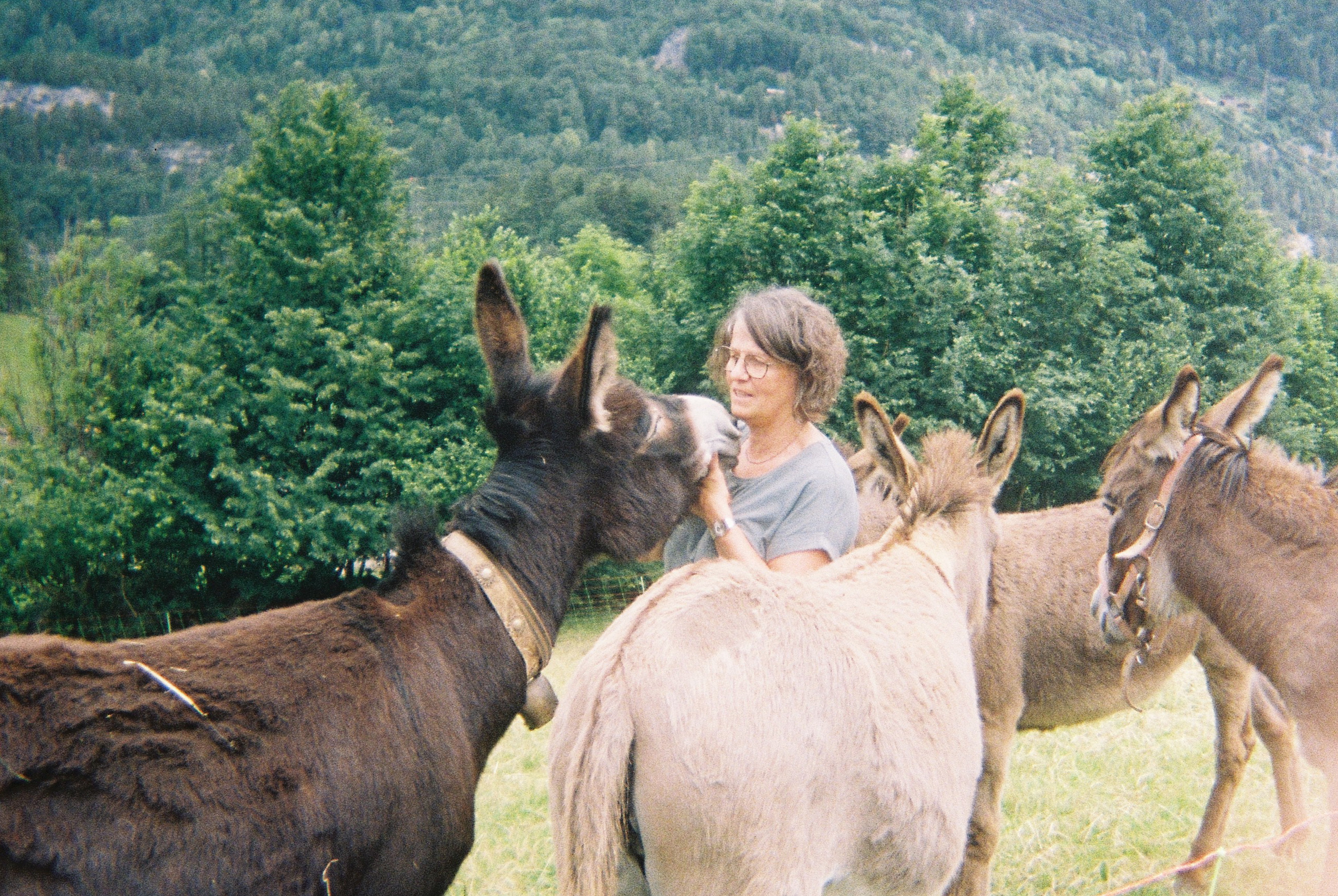
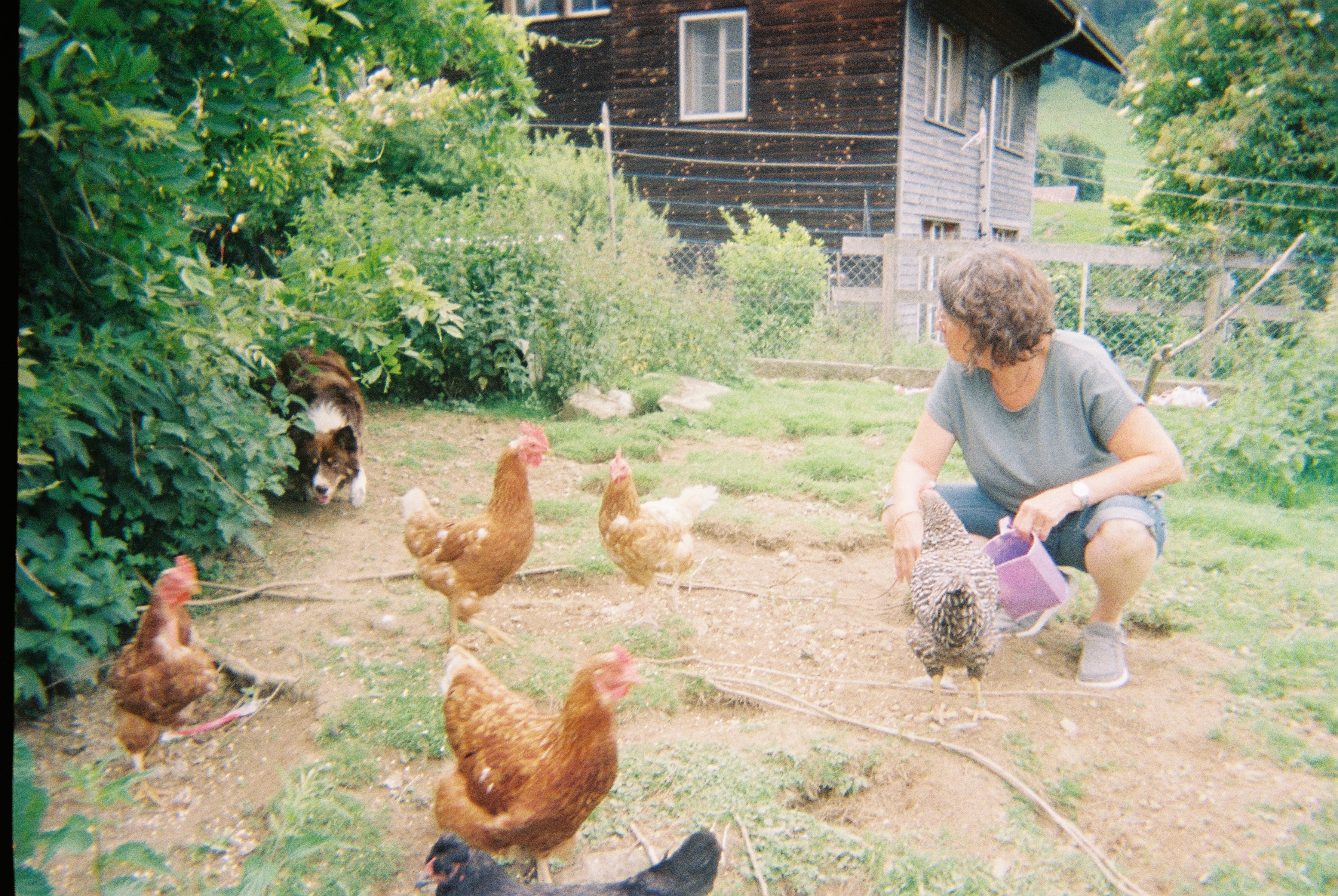
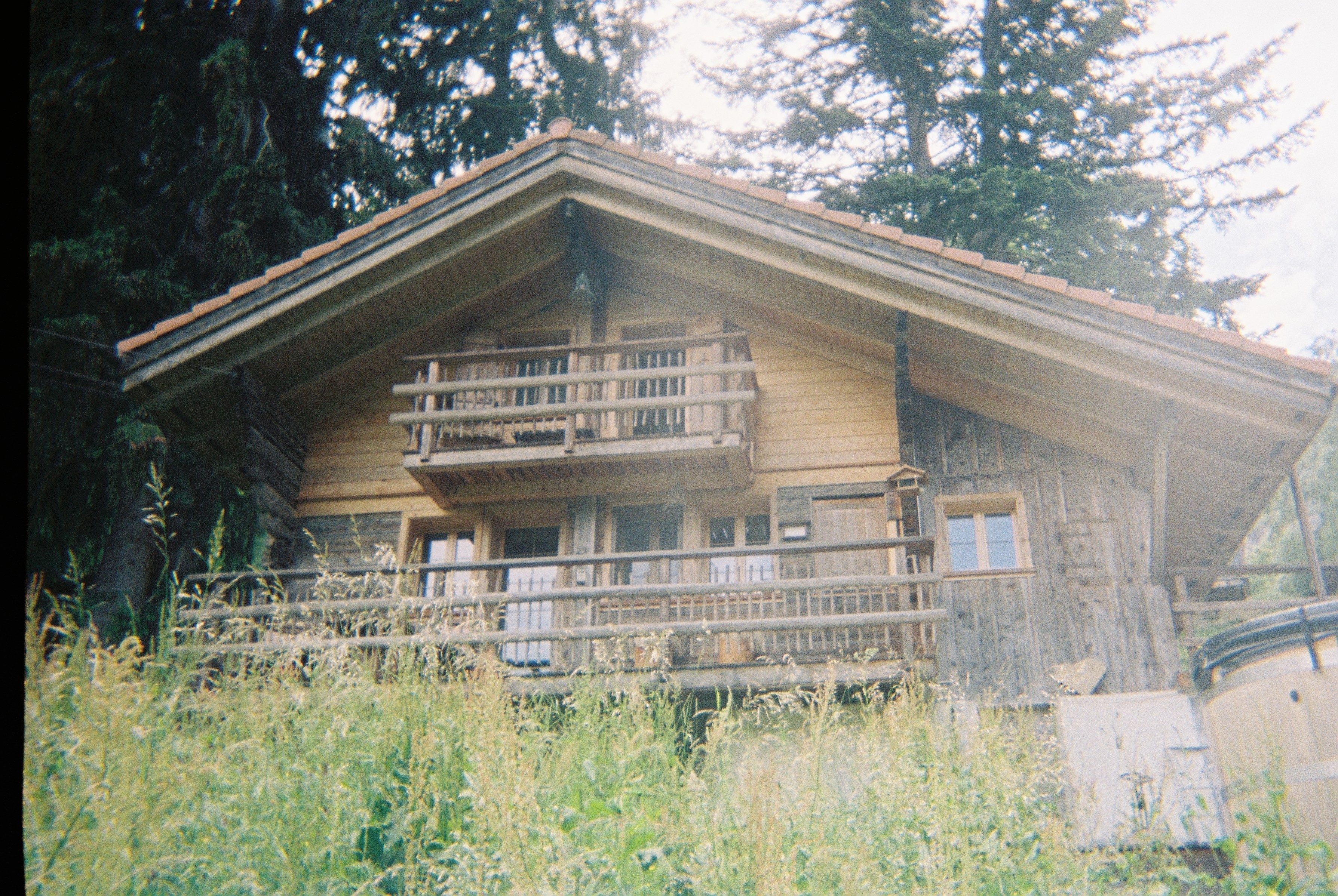
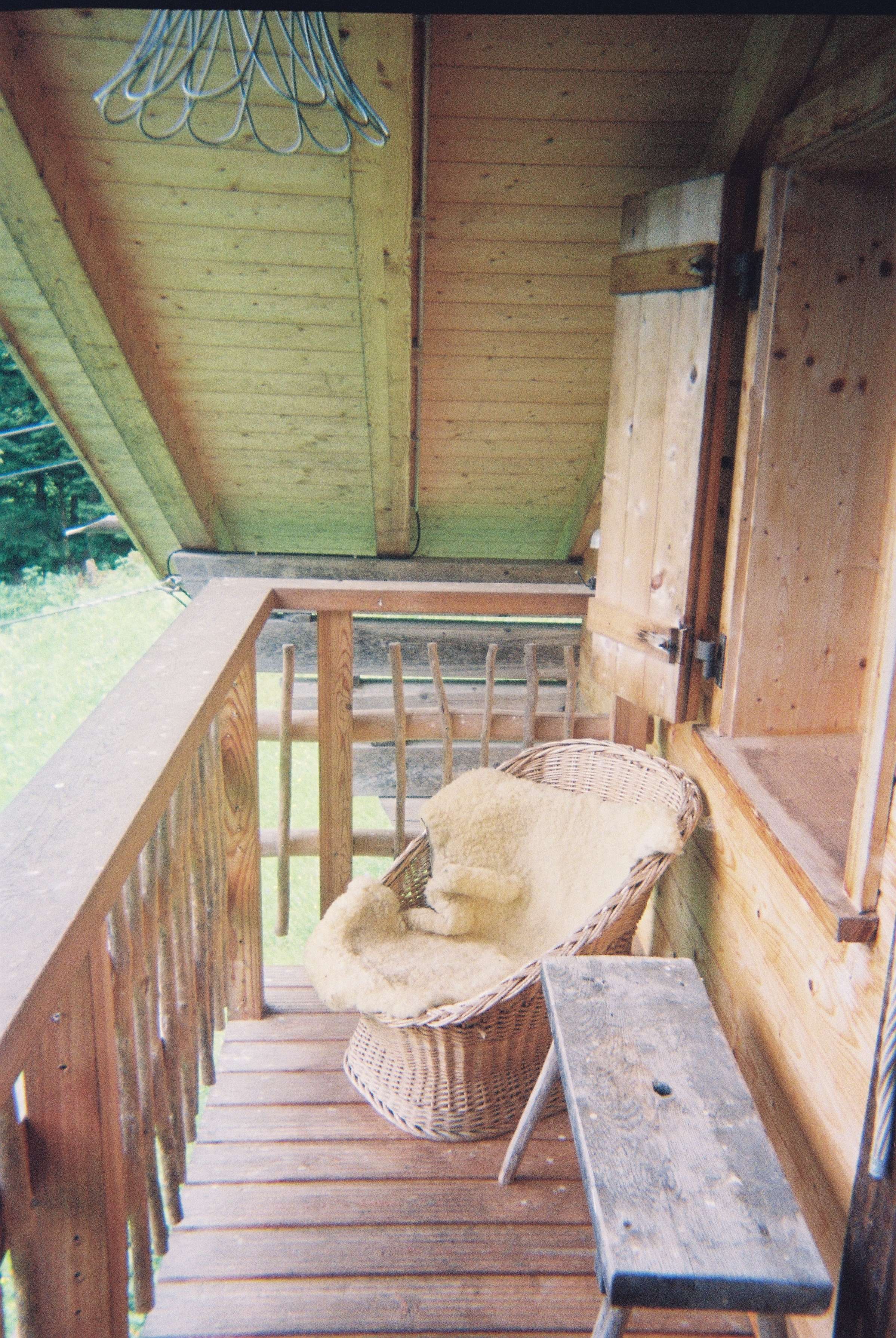
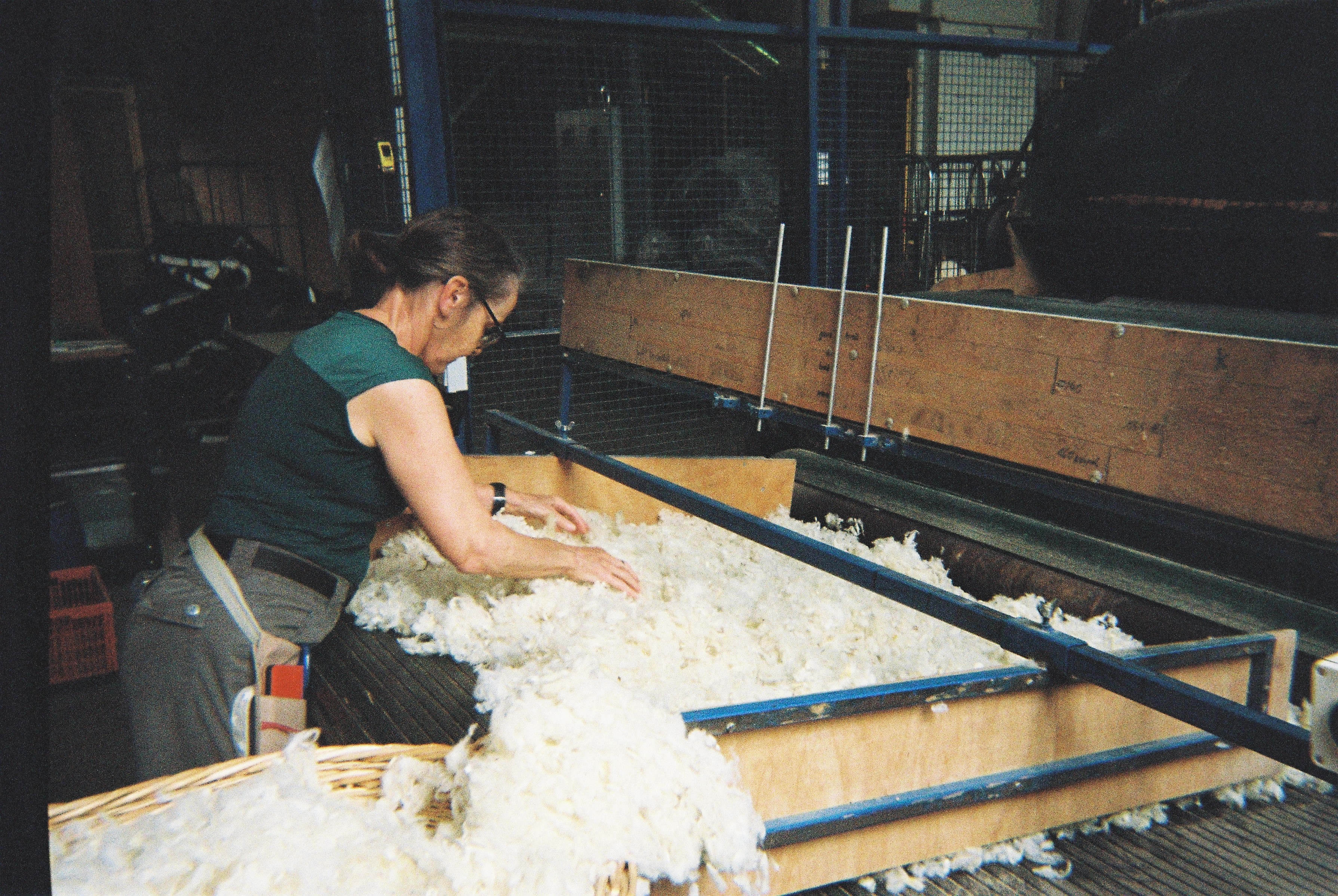
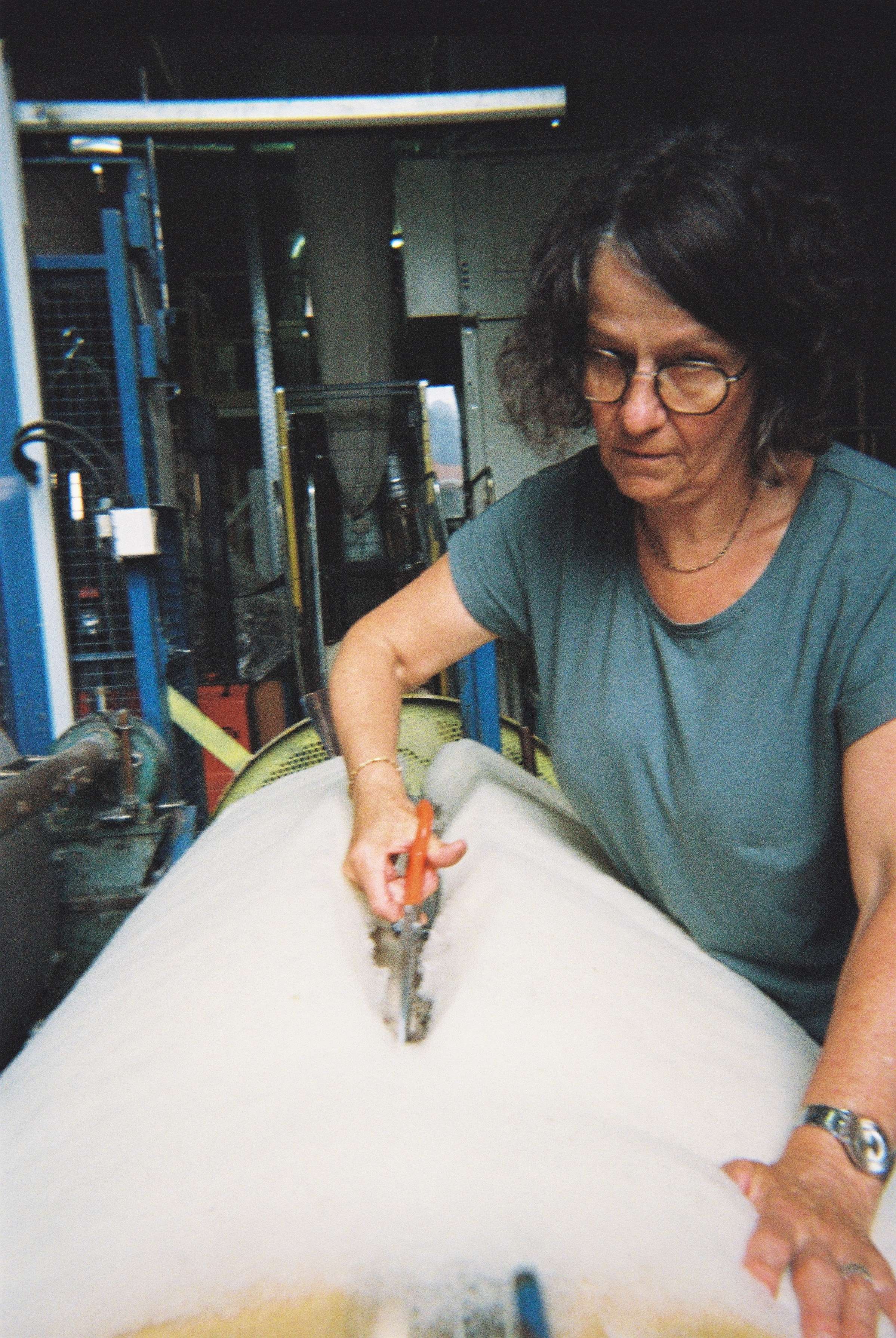
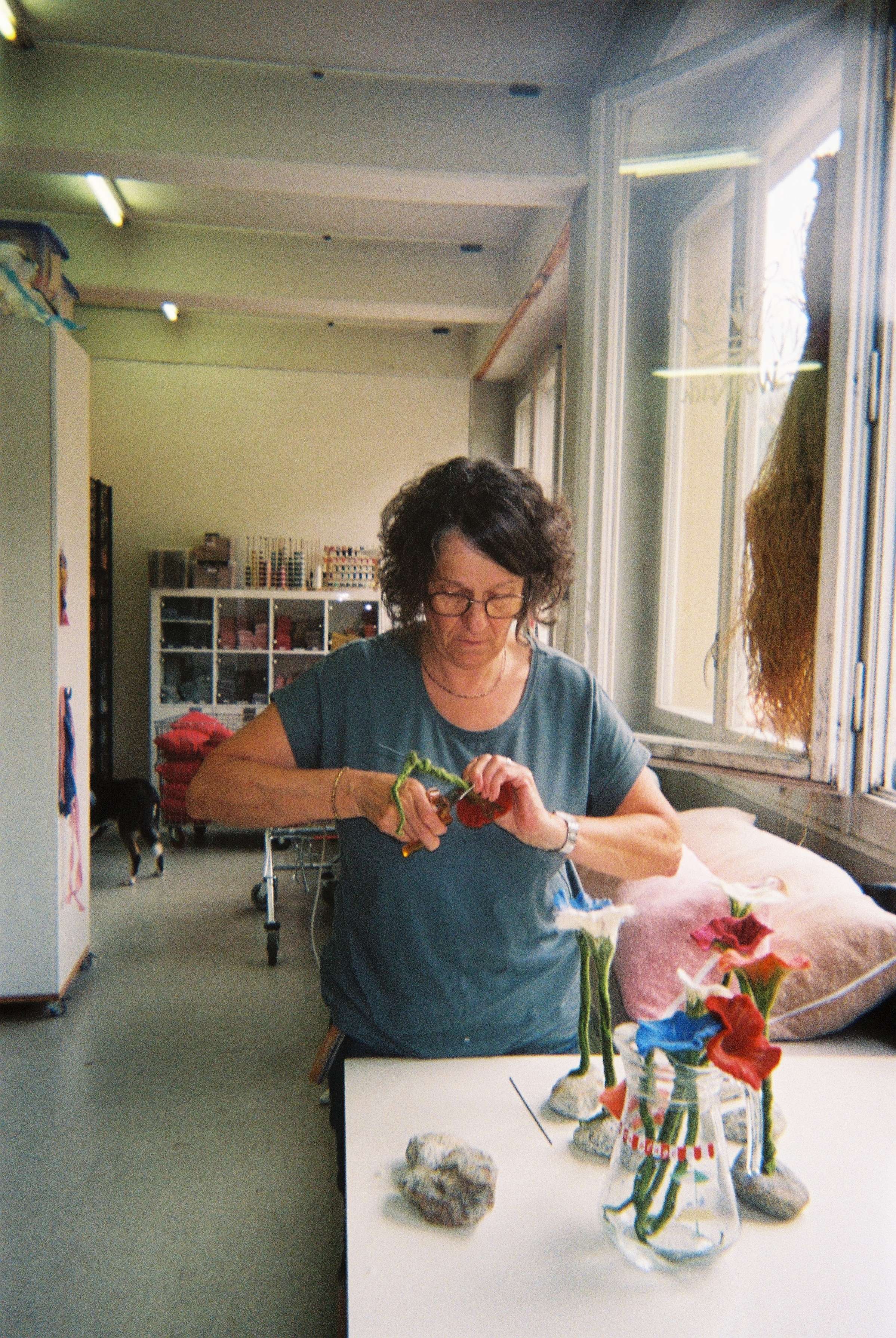
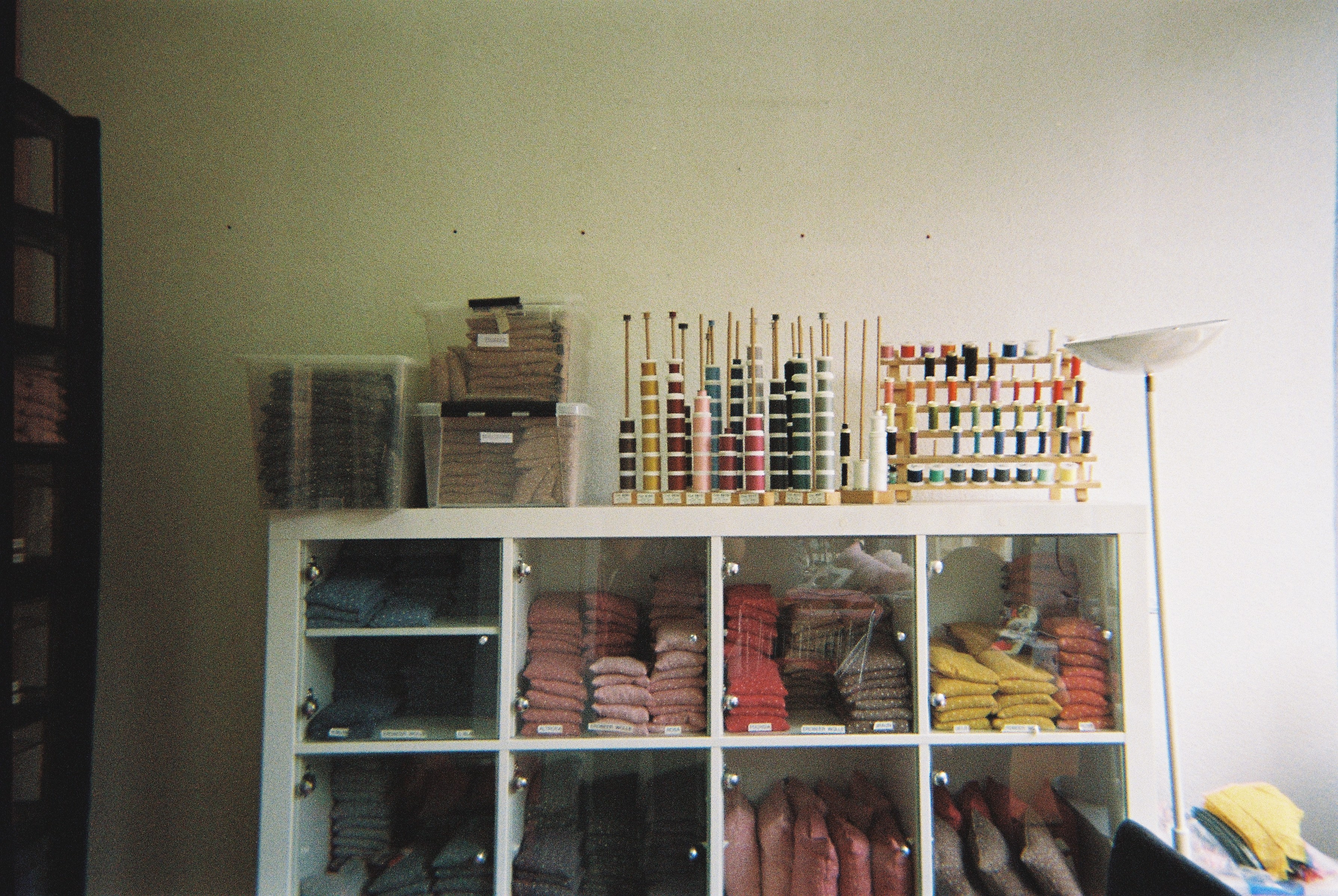
My day starts at about a quarter past six. First, I tend to the small animals at home and think about who’ll be there for lunch. We have chickens, a couple of donkeys and a dog. A lot of things can be organised, but not quite everything. A phone call, an animal that’s got loose or an unexpected task can throw the whole plan into disarray. Farming, family and Wollreich all run alongside one another, and sometimes you just have to remain flexible. At Wollreich, I head to the studio first thing in the morning. Next to the studio is the production area, where the washed wool is processed into bales – a process known as carding. This happens before it’s further processed in the studio. I check which orders are due, what needs to be prepared, and whether everyone has enough work for the day. After that, I go to the office to deal with unanswered emails, deliveries and organisational matters. In the past, the studio, shop and office were closer together. Today, the shop is right in the centre of the village of Meiringen. Despite all the organisation involved, wool remains a unique material to me. It inspires so many new creations, and the work is very meditative. We also run the ‘Wullehuus’ above Meiringen. It’s a holiday home, far away from the noise. It’s filled with lots of our own wool products, from the insulation and mattresses right through to the décor.
Better wool than a screen
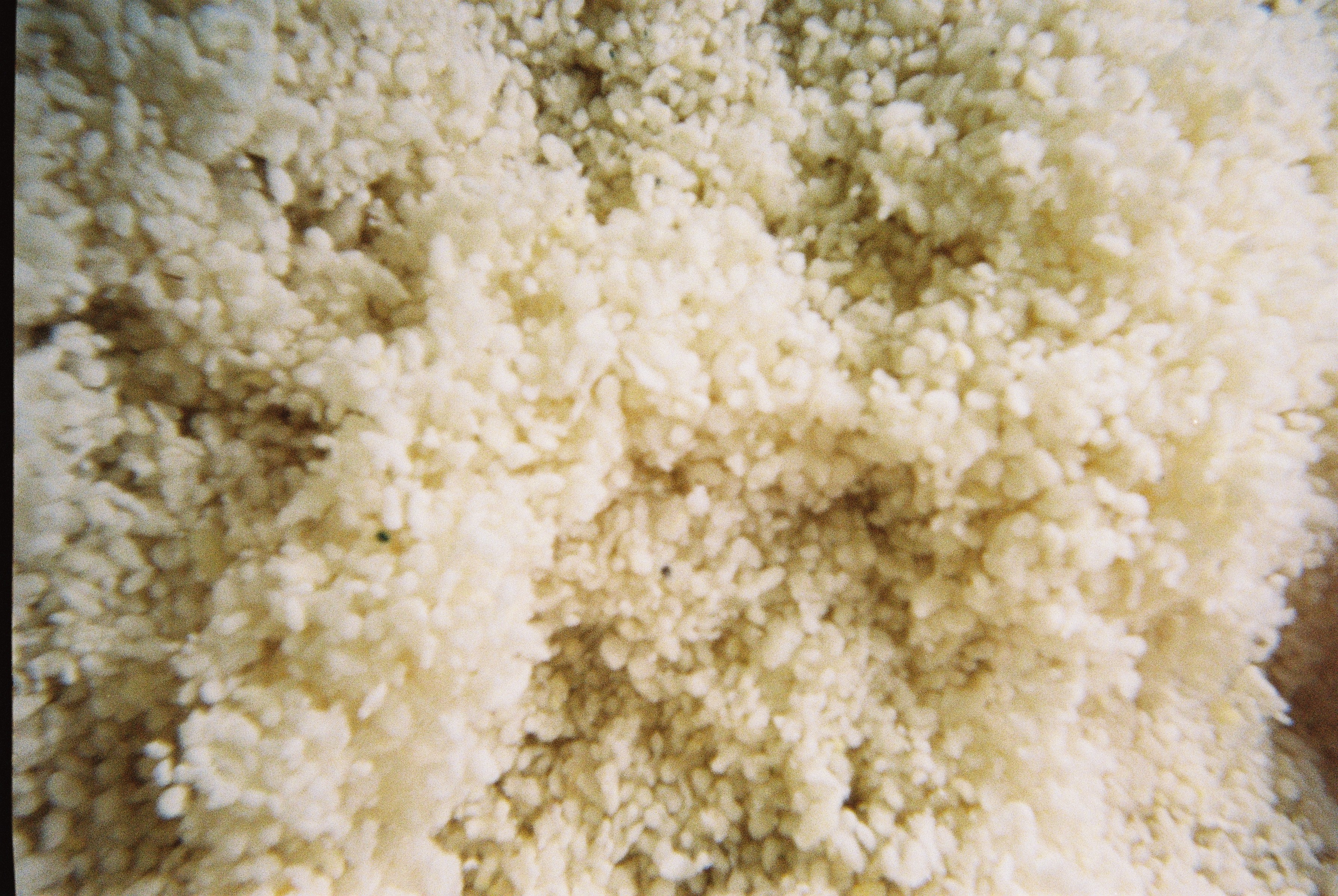
I can hold the wool in my hands. I can feel whether it’s fine or coarse, and when I’m felting, I can see straight away how something new is taking shape from the fibres. I find that a bit harder with digital programmes. Of course, we need emails, online shops and digital platforms these days. Nevertheless, I particularly value personal contact. A chat in the shop, a customer touching a product, or a chance encounter in the village means a great deal to me. Fortunately, I have excellent staff who have a good grasp of the technology and even manage some of it for me.

You can’t do without a sense of humour
Lots of funny things happen in our day-to-day lives, especially when we’re out and about at trade fairs. Sometimes customers don’t call me Ruth Brog, but ‘Mrs Wollreich’ straight away. Other times, someone gets lost or something goes missing. At the end of the year, we even turn the best of these mishaps into a little sketch. What’s annoying at first often becomes a story that everyone laughs about later on. It’s precisely this sense of humour that helps us when plans don’t go to plan or there’s an extra job waiting for us on the farm.
The common thread that runs through our work
The wool business and the farm were only able to grow because the whole family pitched in and helped out. Not every day was easy; for example, we very rarely went on holiday. Nor could our children always just pop off to the swimming pool with their friends when, for instance, we had to make hay. But it’s lovely for me to know that when I get up, I never have to go to work. Of course, our life demands a lot from us. But when you work with joy on something of your own, it simply doesn’t feel like work. We’re all cut from the same cloth – or, to use our own example, knitted from the same yarn.
Mehr Informationen
Wollreich Meiringen
Sichere dir jetzt deine Wolleerfahrung
Story und analoge Fotos: Heinz und Ruth Brog, Sina Fuchser
Sommer 2026
Kontakt
Jungfrau Region Tourismus AG
Kammistrasse 13
CH-3800 Interlaken
Tel. +41 33 521 43 43
info@jungfrauregion.swiss



