

The Jungfrau Region in the Bernese Alps impresses with a unique diversity of plants that extends across several vegetation zones. From dense forests in the valley to barren rocky landscapes at an altitude of over 3000 metres, a fascinating natural backdrop is revealed here. Characteristic plant species thrive at every altitude and are in full bloom depending on the season. However, climate change is affecting this fragile ecosystem. In this article, we take a look at the different vegetation zones, the best times for plant observations, the influence of climate change and the most beautiful hikes for plant lovers and nature enthusiasts.
The vegetation zones of the Jungfrau Region
Typical alpine and subalpine habitats are rocky steppes, glacier forelands, mountain and nutrient-poor grasslands, larch and Swiss stone pine forests and moors. In the mountain areas, the vegetation is a quarter richer in species than in the lowlands, even on agricultural land.
The flora of the Jungfrau Region is divided into different vegetation zones depending on altitude:
Montane zone (up to approx. 1500 m)
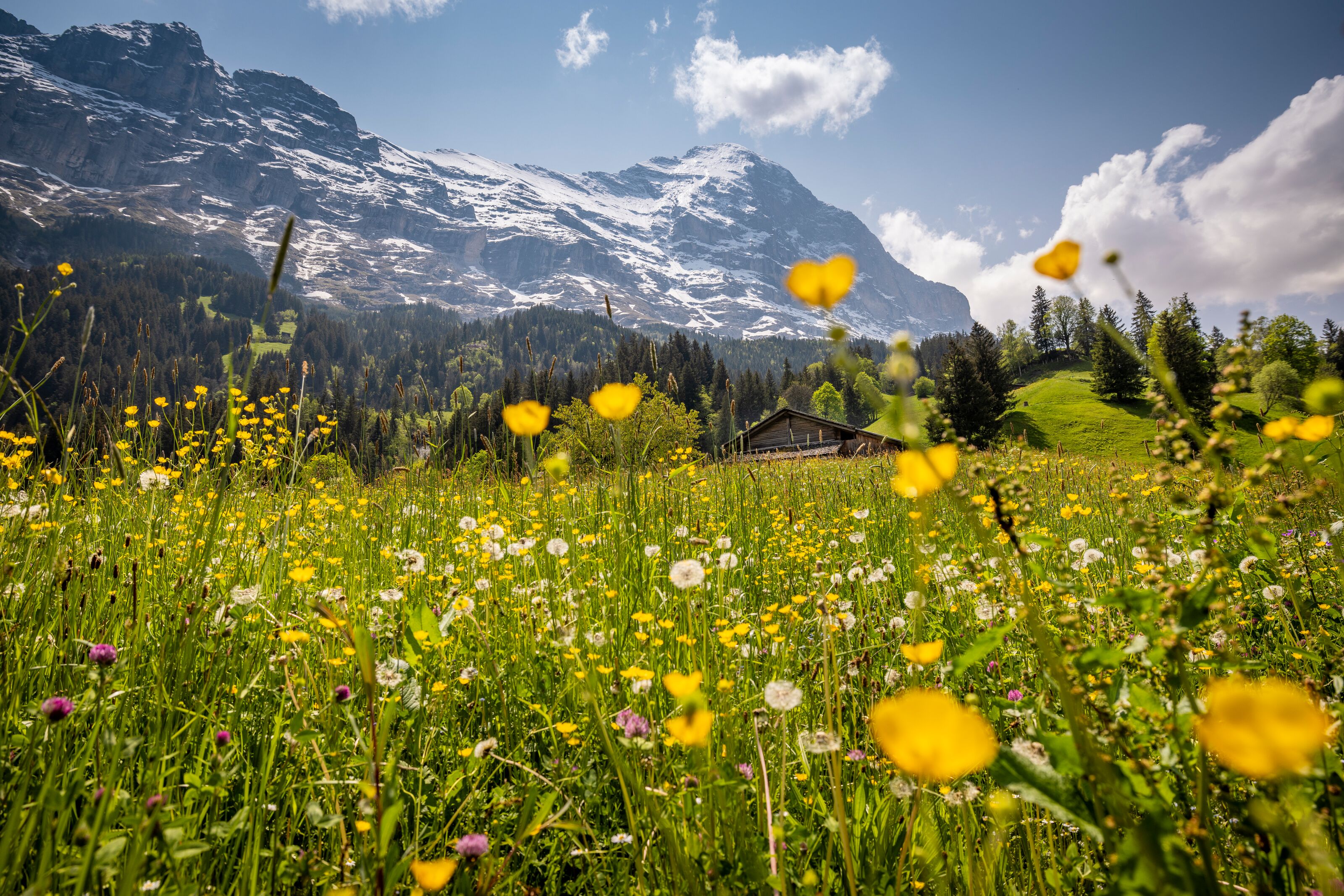
This zone is characterised by dense mixed forests of beech, fir and spruce. In spring and summer, numerous forest flowers bloom, such as the lily of the valley and the troll flower. Typical places at this altitude are the Lauterbrunnen Valley, Grindelwald, Interlaken and the area around Meiringen and Hasliberg.
Subalpine zone (1500–2000 m)
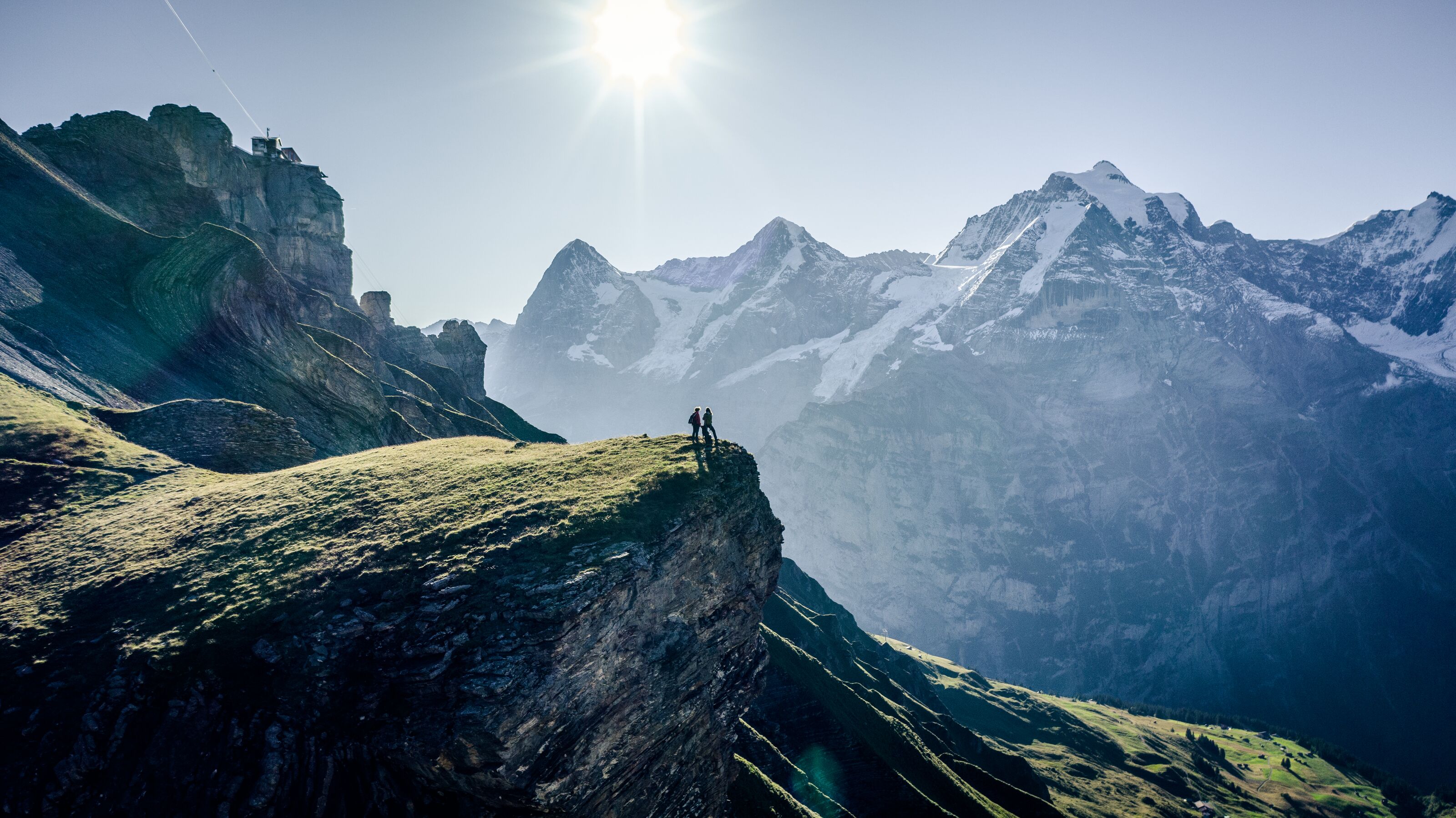
Larch and Swiss stone pine forests dominate here. Alpine roses, gentians and the rare edelweiss thrive on open meadows. This zone includes areas such as Männlichen, Kleine Scheidegg, the high altitudes around Wengen and Mürren as well as the Brienzer Rothorn and parts of the Grimsel Pass.
Alpine zone (2000–3000 m)
Above the tree line, alpine mats and rocky meadows characterise the landscape. Hardy plants such as the glacier buttercup and the stemless cinquefoil grow here. Good observation sites are the Jungfraujoch, the Eiger Glacier, the area around the Susten Pass and higher regions on the Grimsel Pass.
Nival zone (from 3000 m)
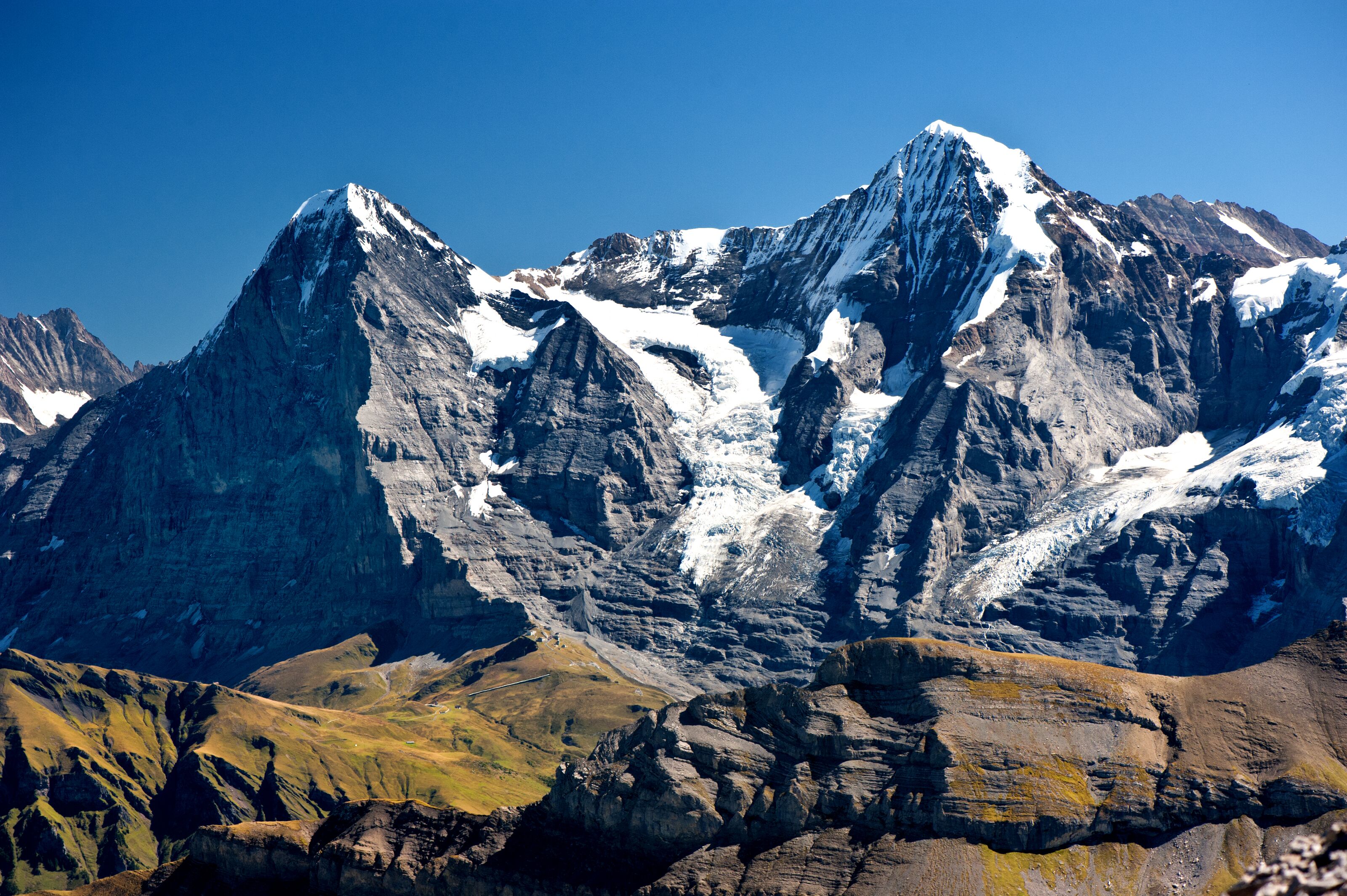
There is hardly any vegetation left at these extreme altitudes. Only a few pioneer plants such as the alpine man's shield defy the harsh conditions. This zone includes the highest peaks in the region, including the Mönch, Jungfrau and Finsteraarhorn, as well as parts of the Aletsch Glacier.

Best times of year for plant observations
- Spring (May–June): The first alpine flowers bloom at lower altitudes, while the valleys glow in lush green.
- Summer (July–August): The peak bloom of the alpine flora! Especially at altitudes between 1500 and 2500 metres, gentians, alpine asters and many other flowers unfold their full splendour.
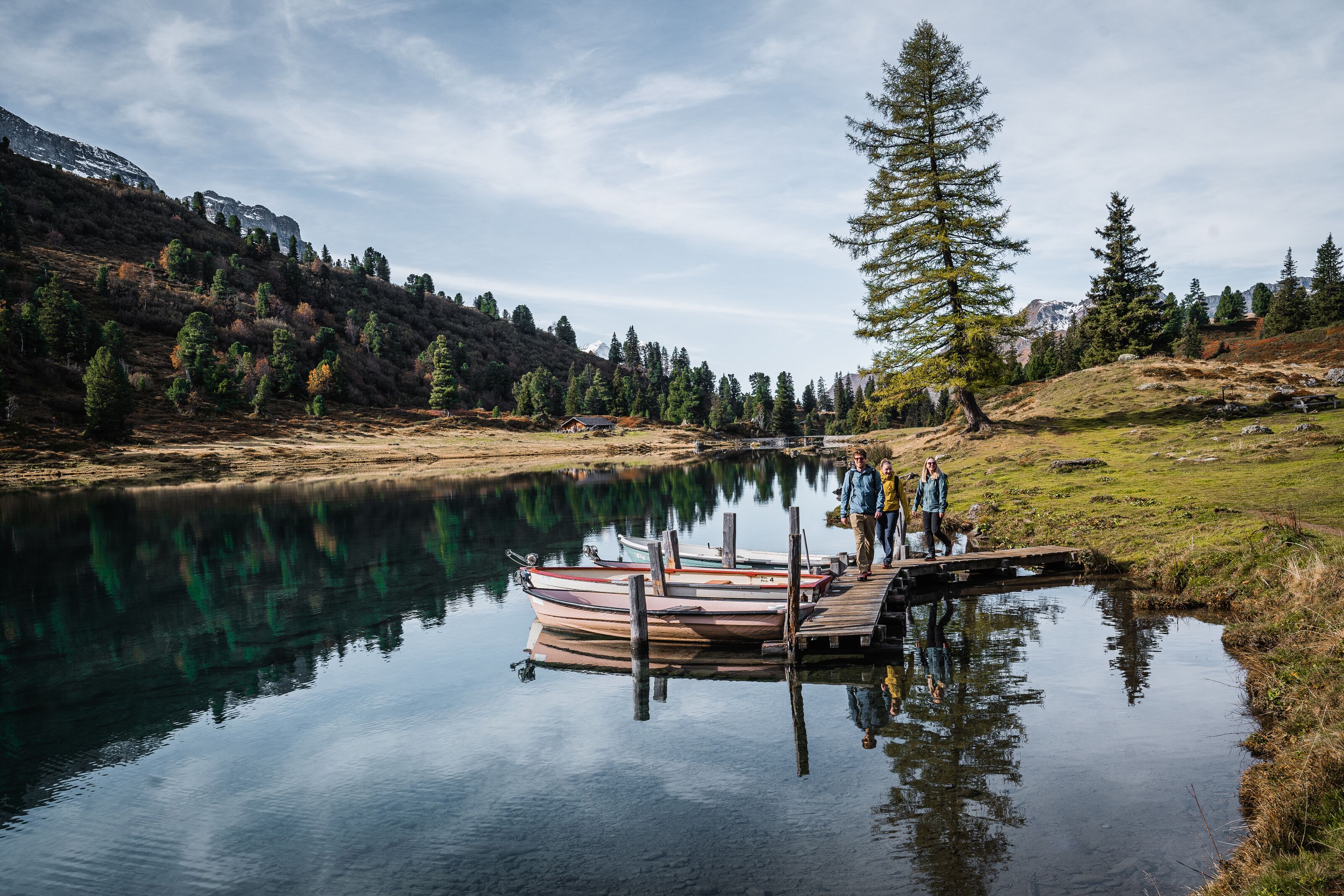
- Autumn (September–October): While the first snow is already falling at higher altitudes, the subalpine forests glow in an impressive play of colours.

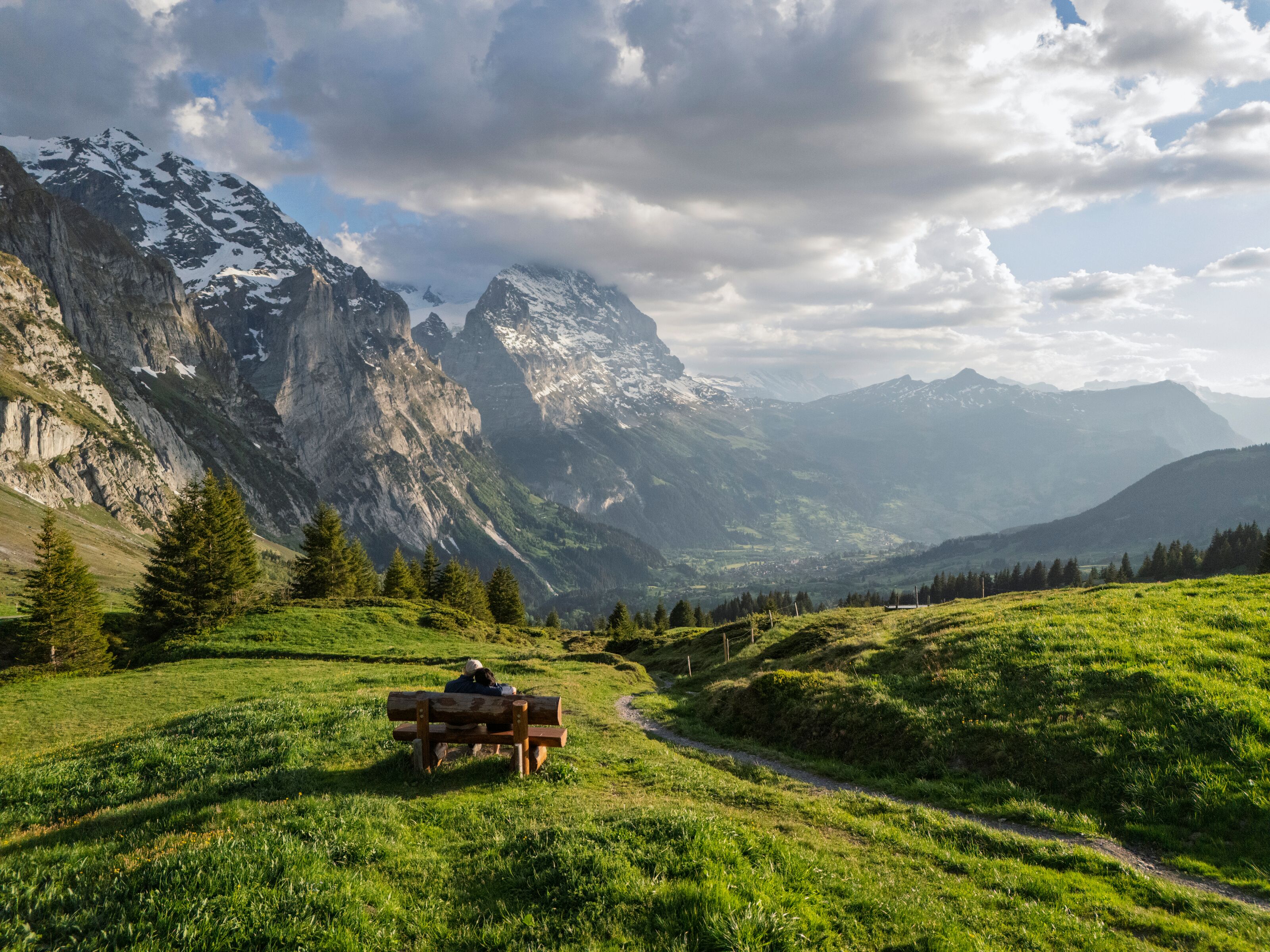
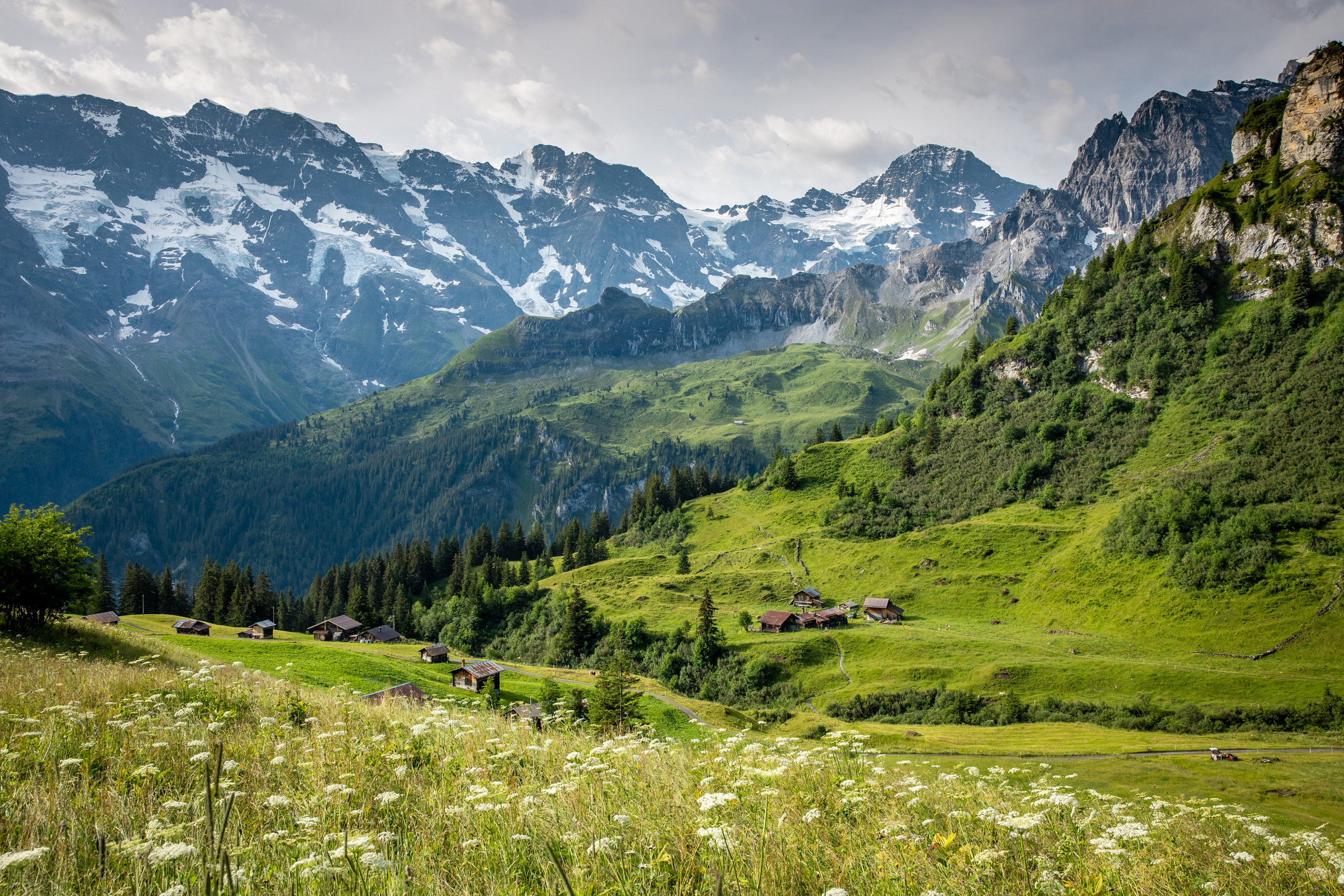
Hikes for diverse vegetation
This route is a paradise for flower lovers. A variety of alpine plants bloom here, especially in summer.
An impressive hike at the foot of the north face of the Eiger with many high-alpine plant species.
