


Hiking has always been the order of the day.
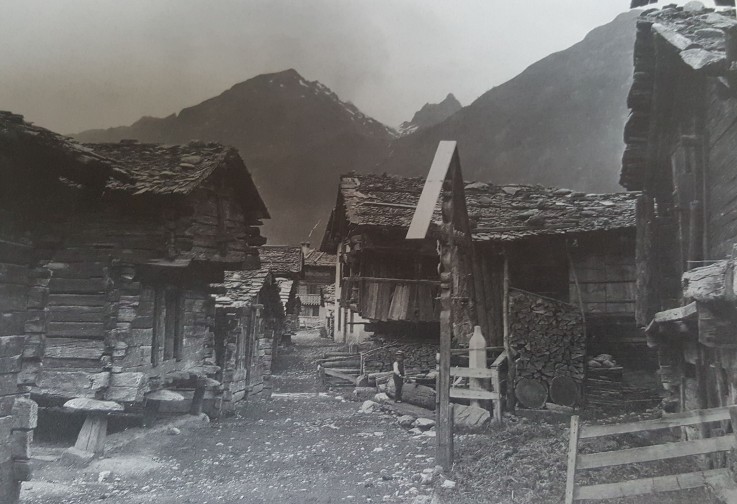
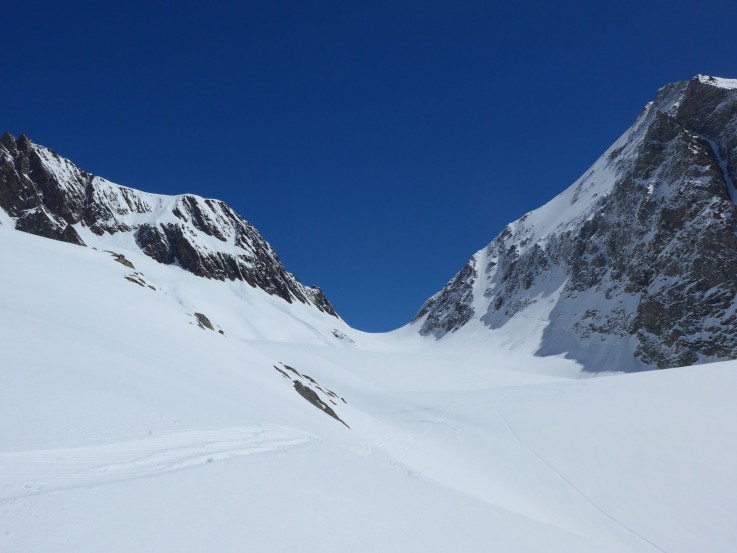
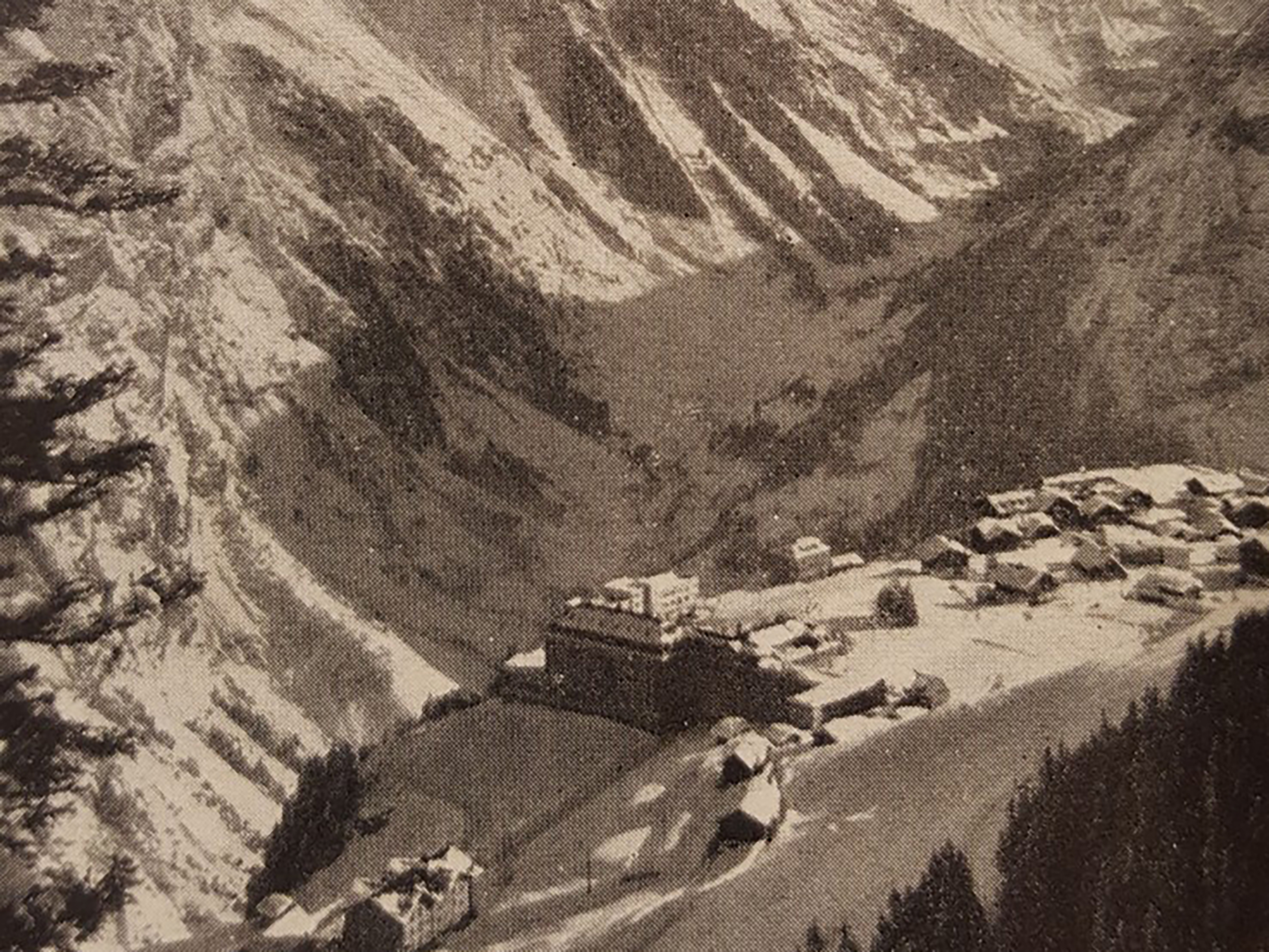
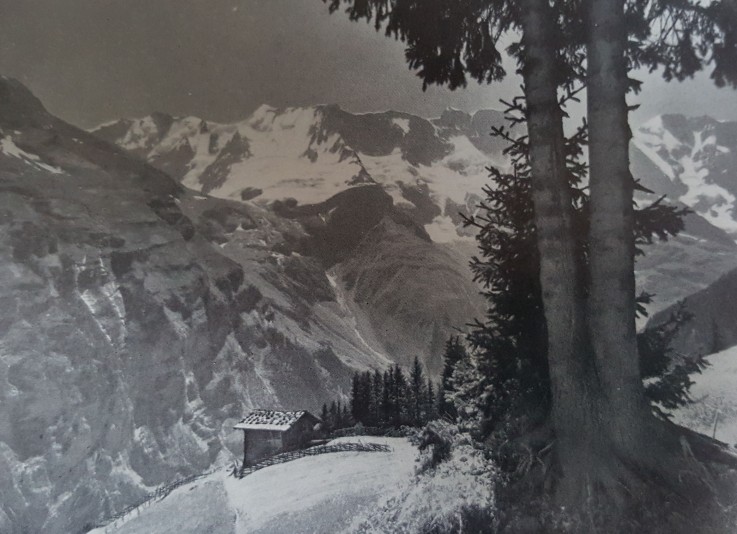
At the end of the High Middle Ages, the Walser settled in the Lauterbrunnen Valley from what is now the canton of Valais. The Walser found a crossing point at the so-called Lötschenlücke.

Sister of Rivendell
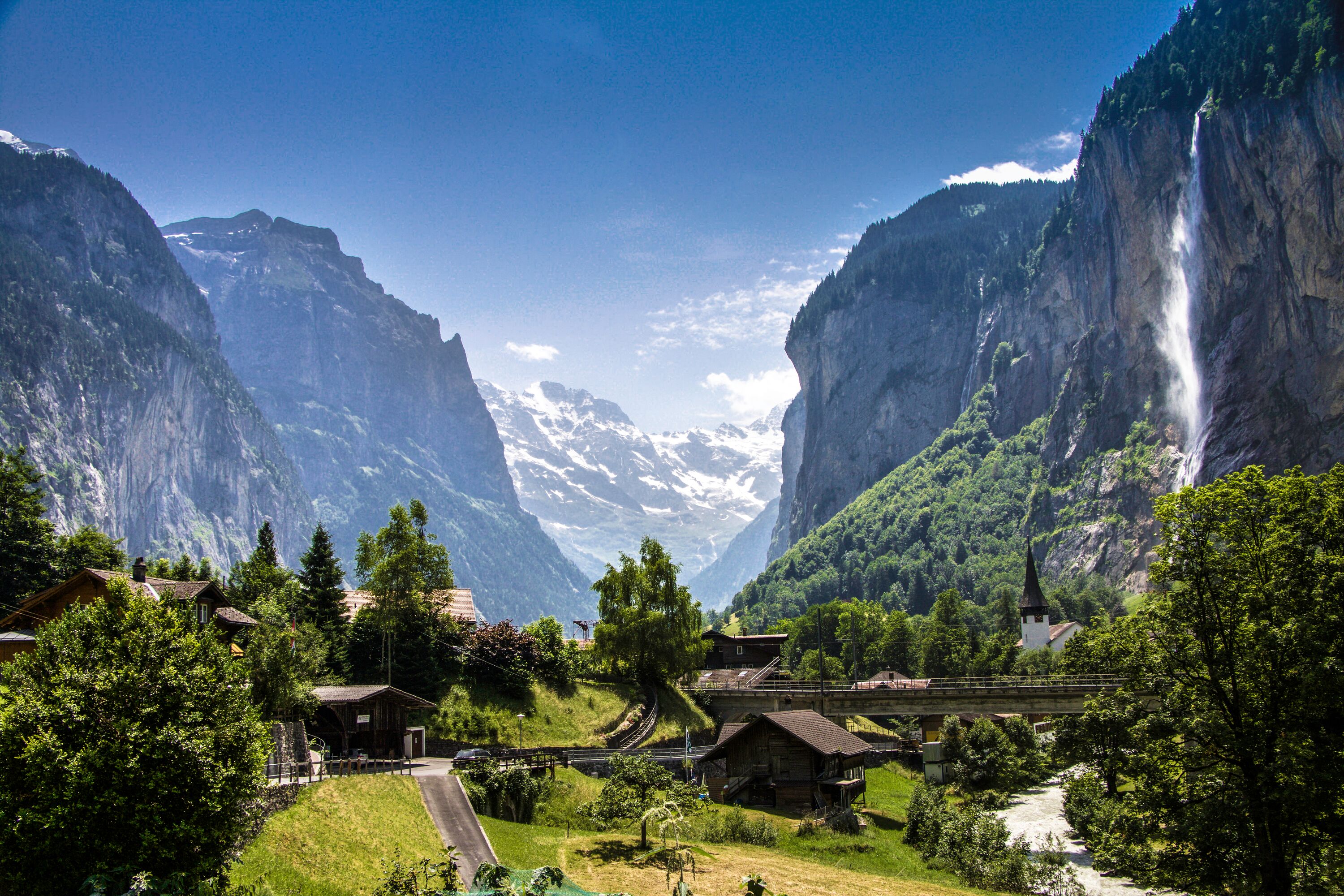
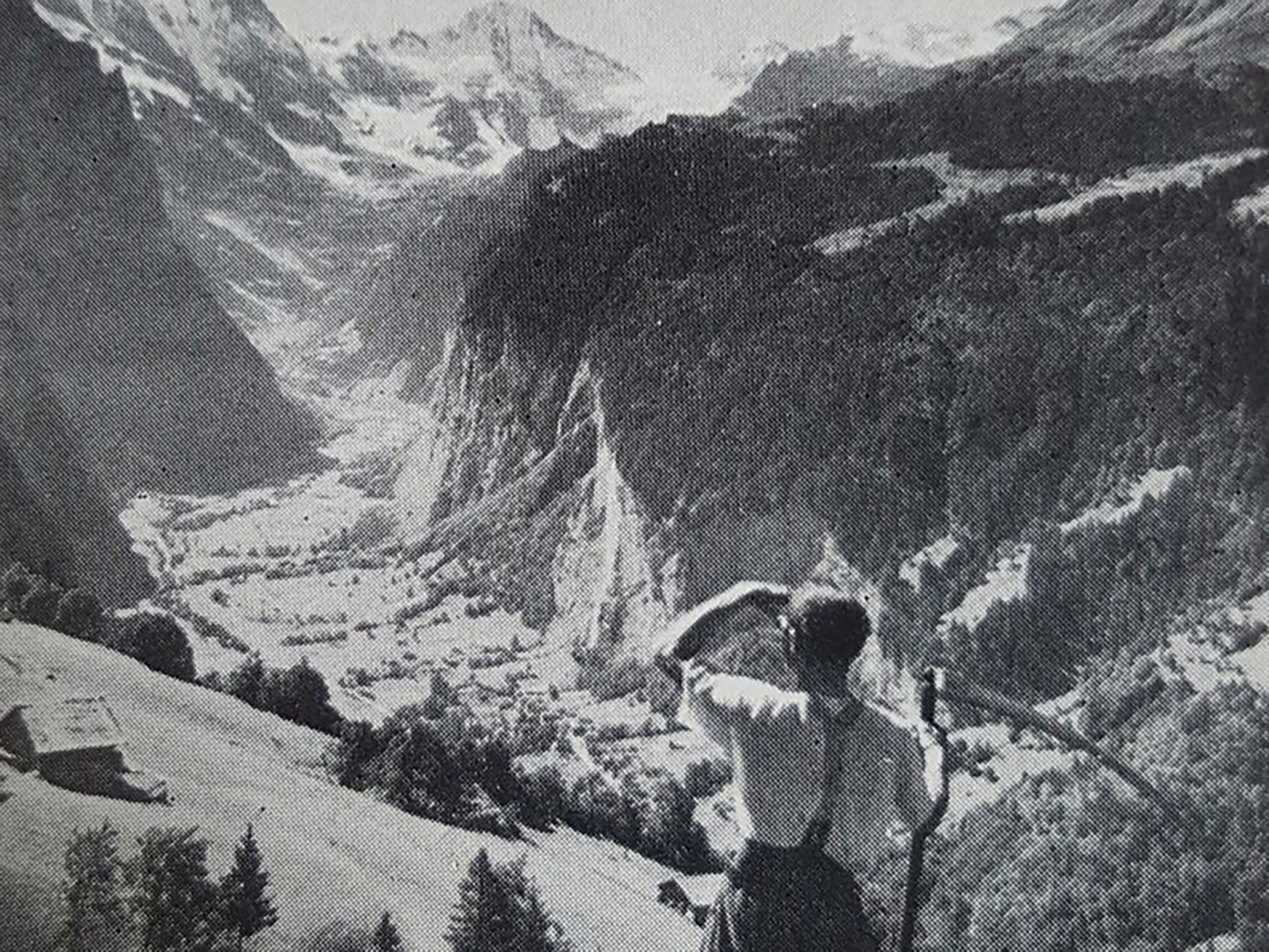
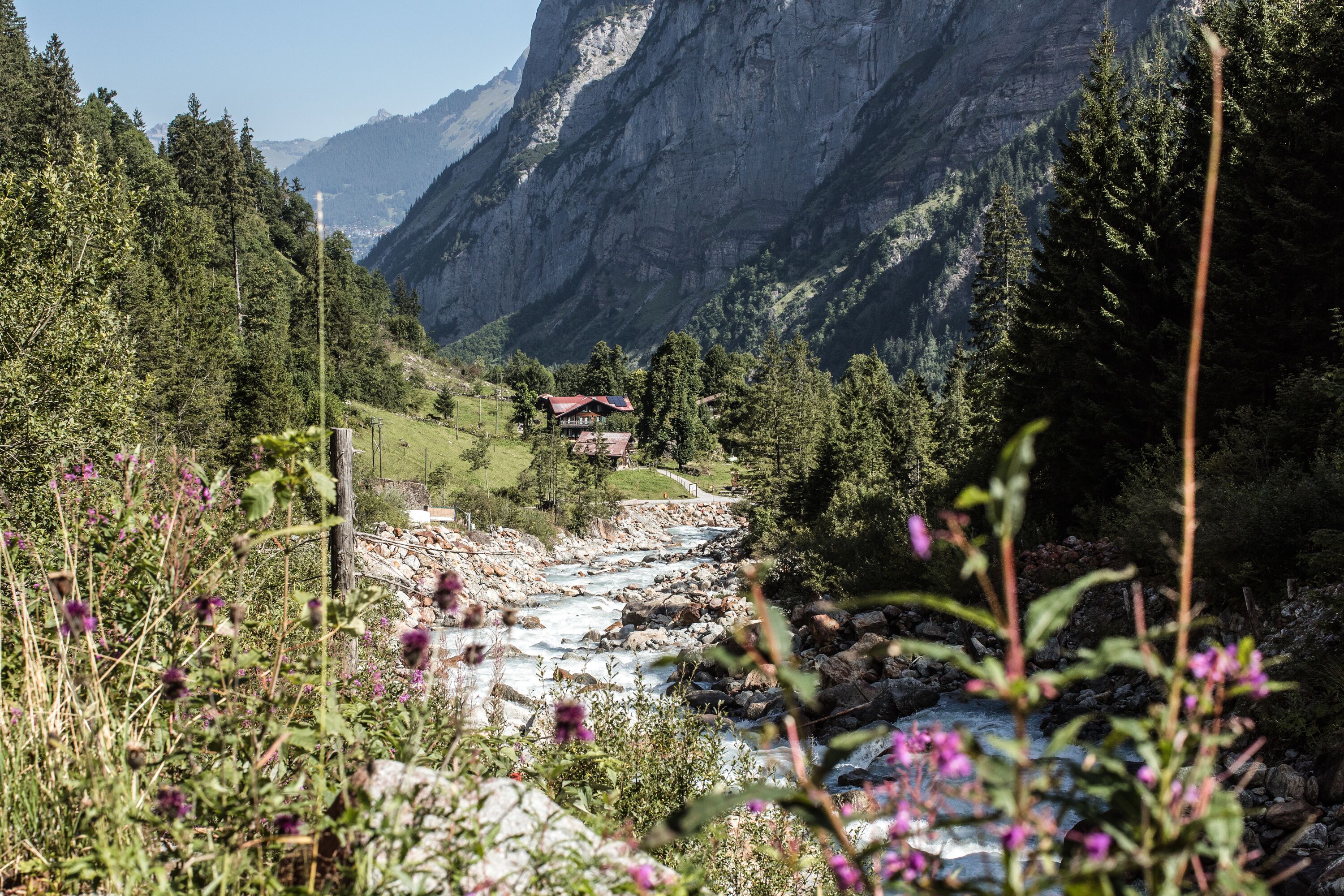
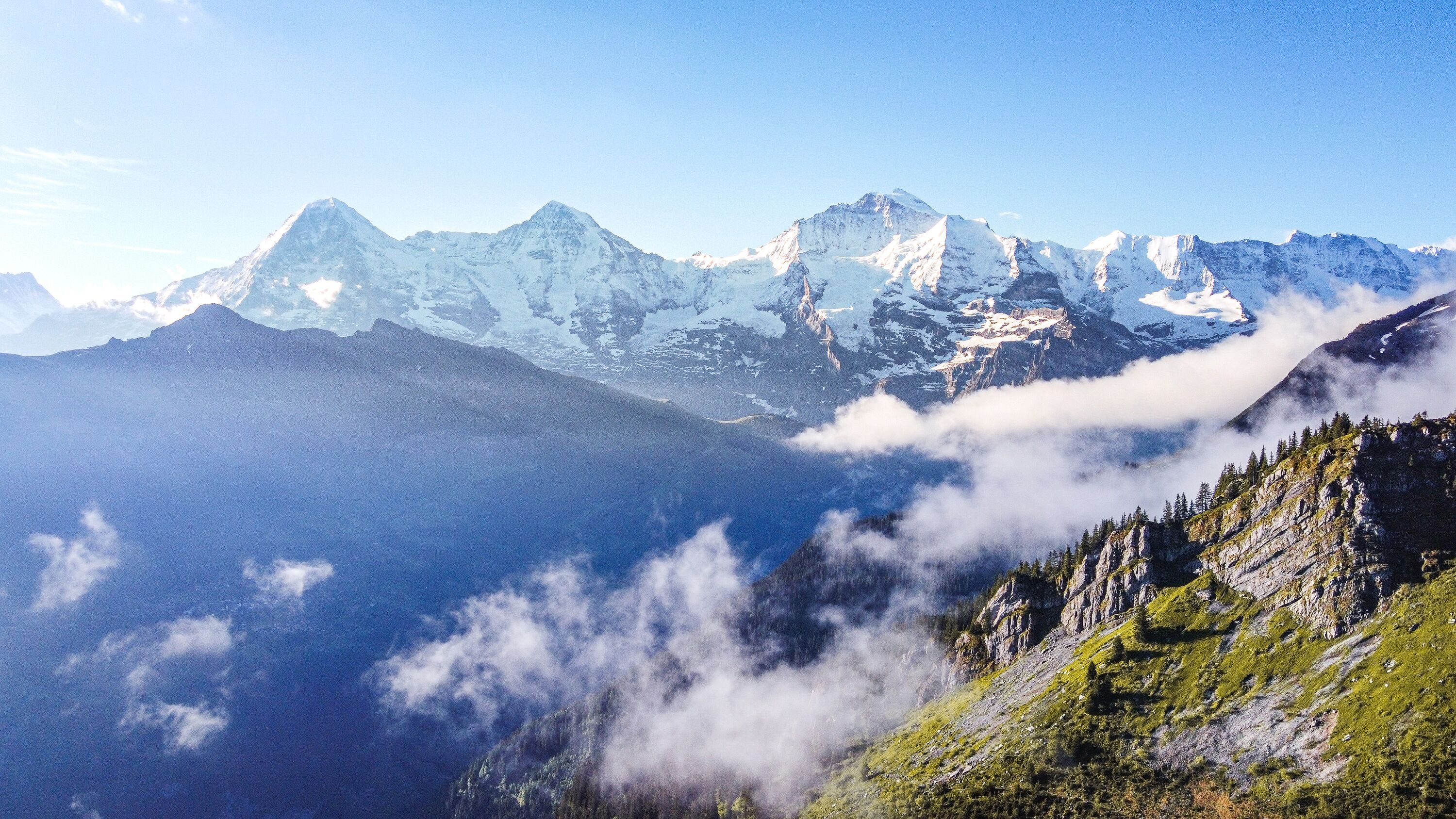
There is something mystical about this Lauterbrunnen – especially when it is shrouded in such clouds of mist. Just as interesting as the valley itself is the question of the village and valley community name: There are no fewer than four interpretations.

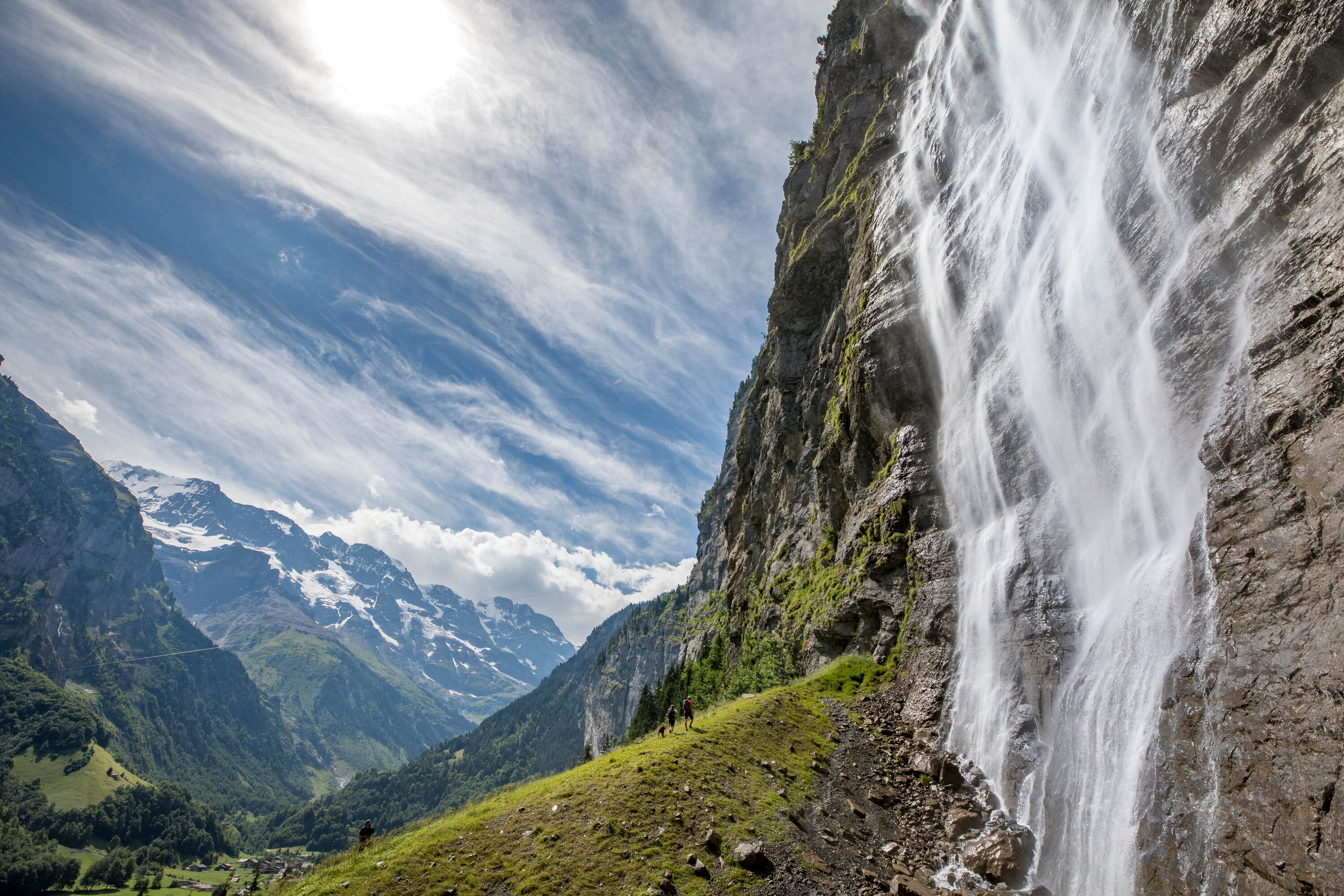

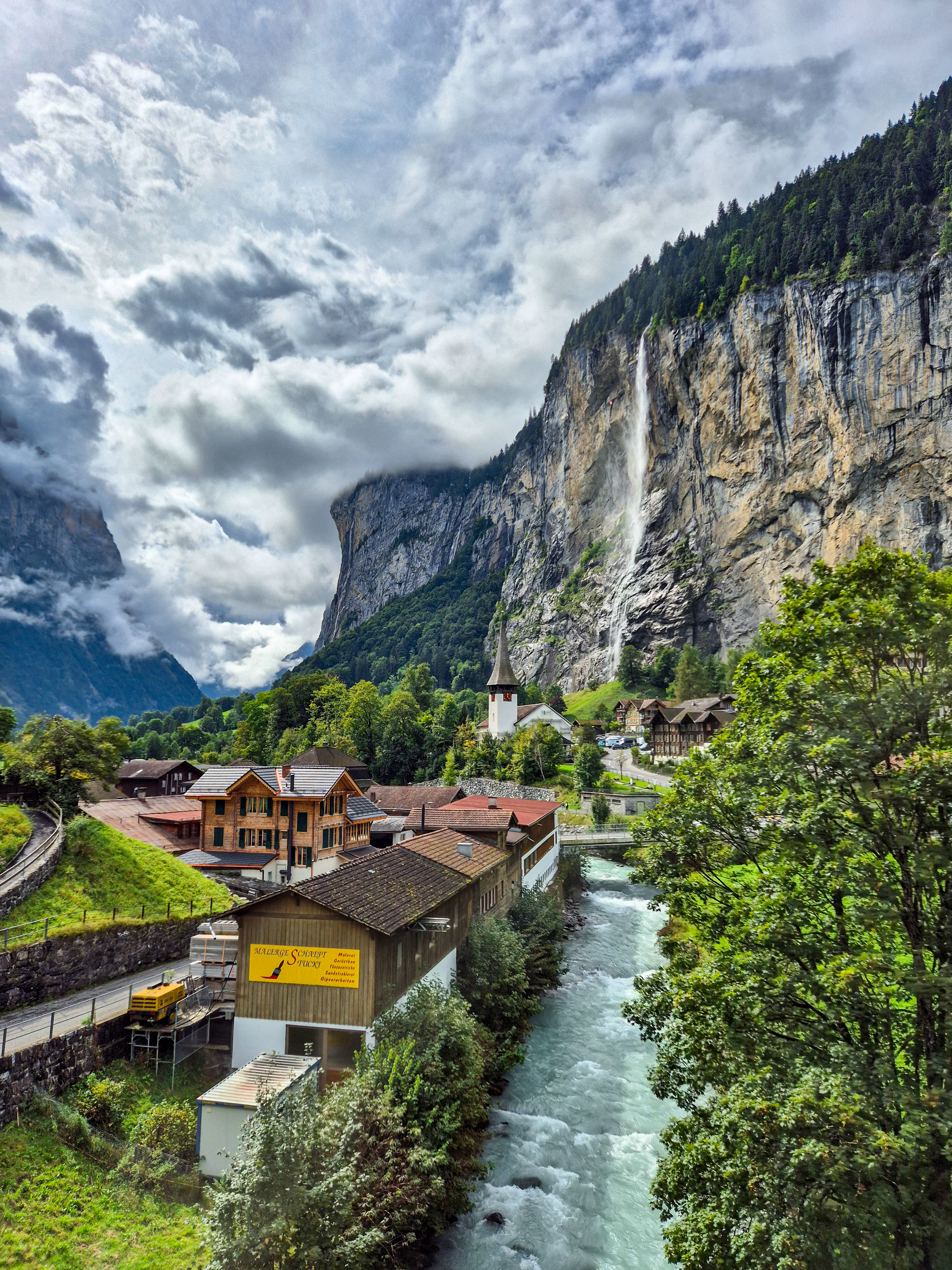
The two prefixes (“louder”) can be interpreted as “bright” or “clear” in the dialect as well as in High German. “Z’vordrist uf der hejen Fluoh, da isch luuter” is a saying in the local dialect. Here, “luuter” takes on the meaning of dizzying depth. Of course, quite a few streams plunge from the “luuter” edge of the river. But we can also associate “louder” with the adverbs “nothing but”, “exclusively” or “merely”. As nice as the first three explanations may sound, they are all wrong. What a pity, they would have fitted so well.
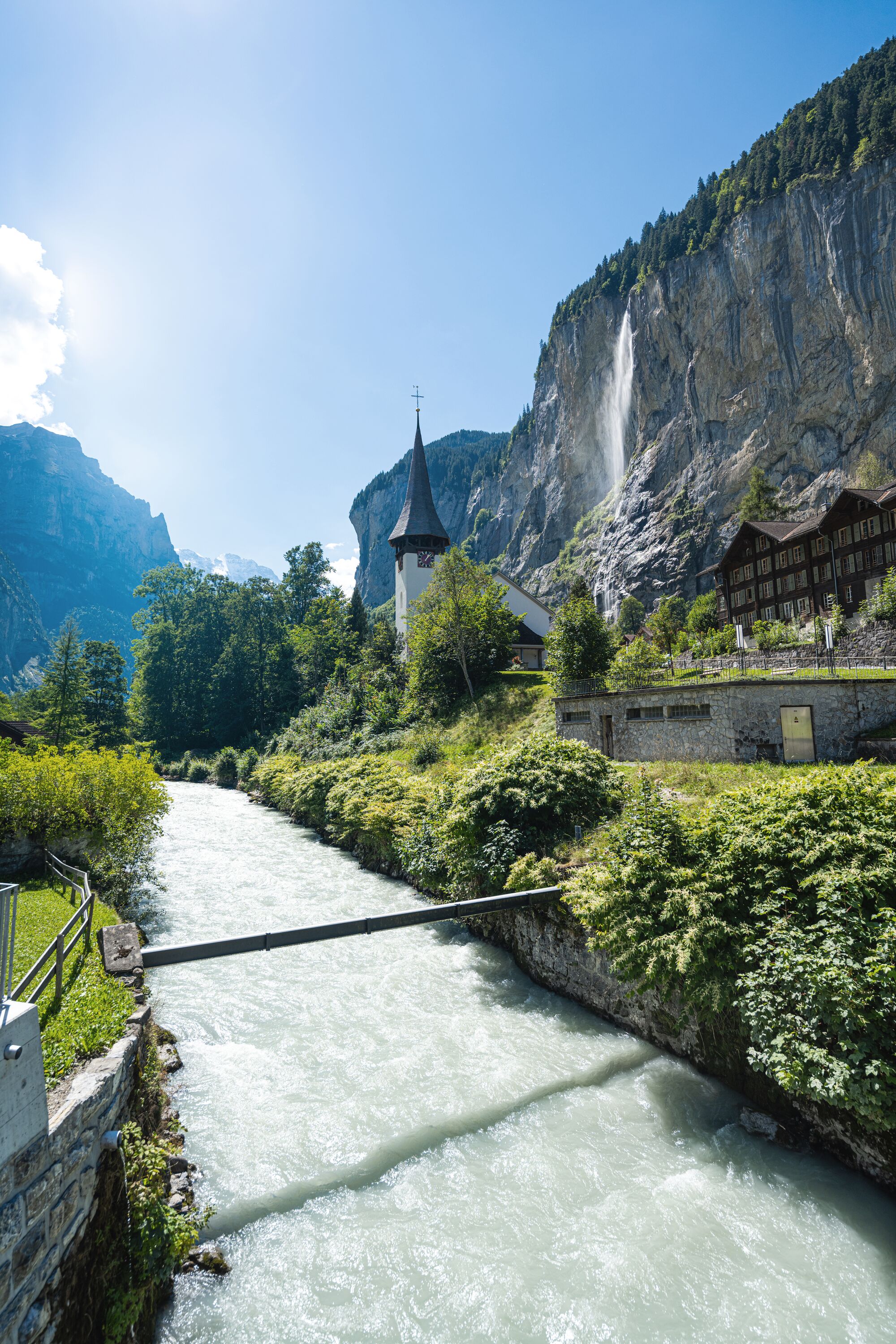

297 meters
high is the Staubbach Waterfalls, which made Lauterbrunnen famous at the beginning of the tourist trade in the second half of the 18th century. Today, the centre has shifted from the Ey to the railway stations – as a transport hub for all the villages in the valley.

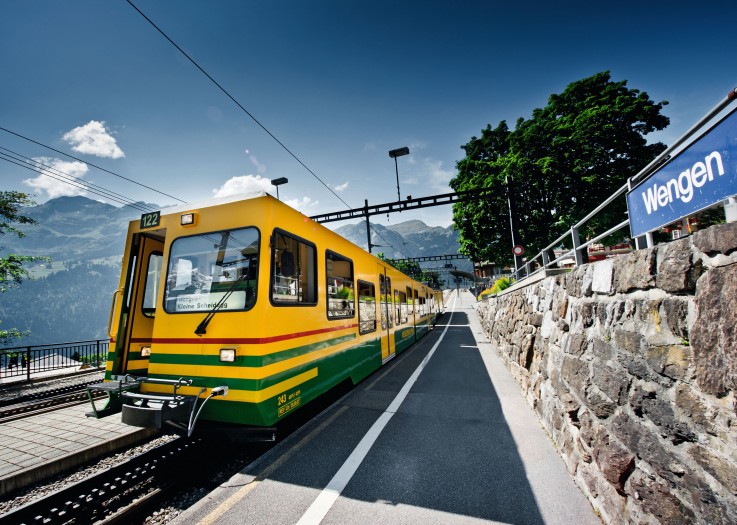

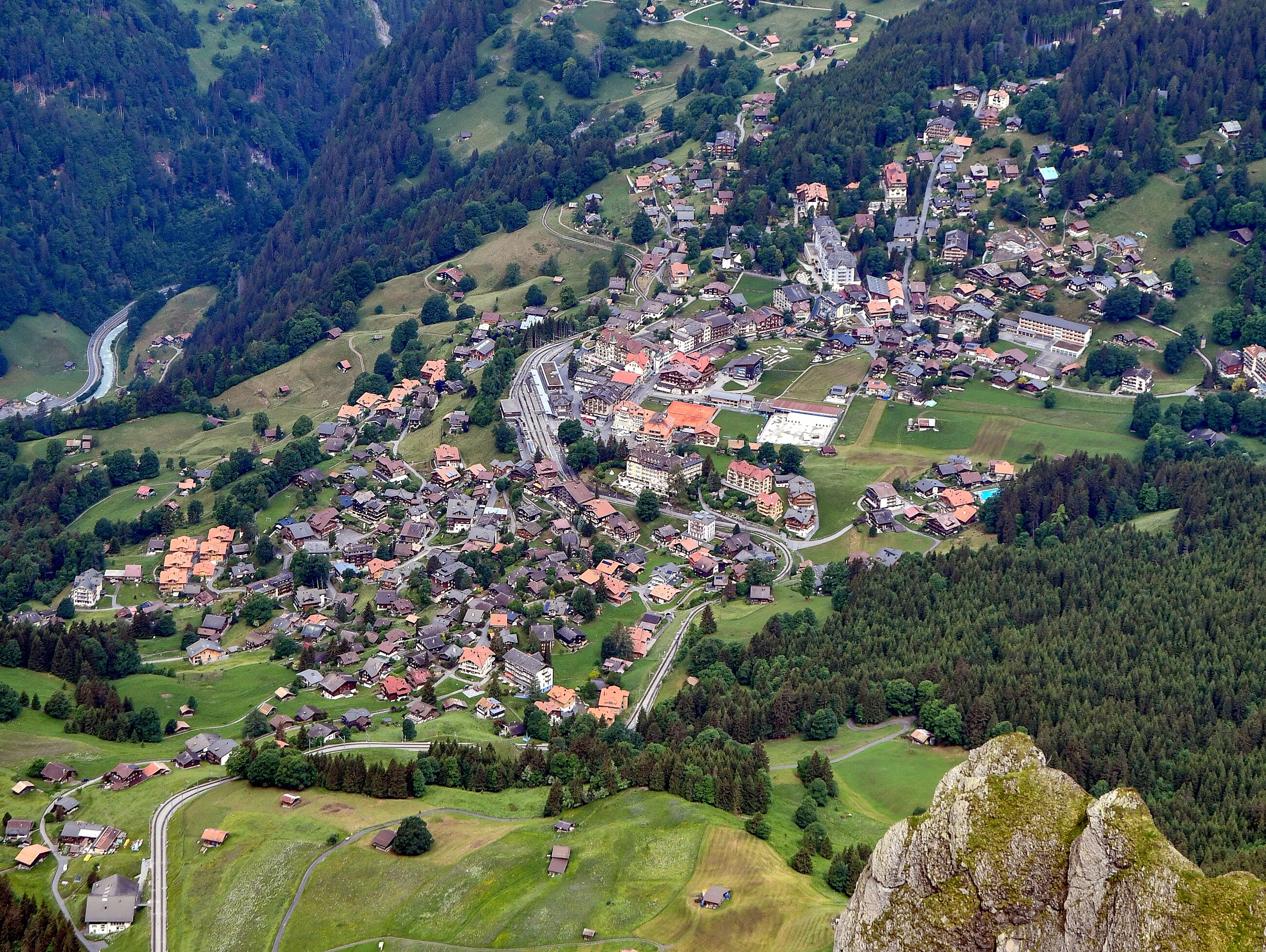
35 train arrivals
train arrivals from Lauterbrunnen are currently recorded per day in Wengen.

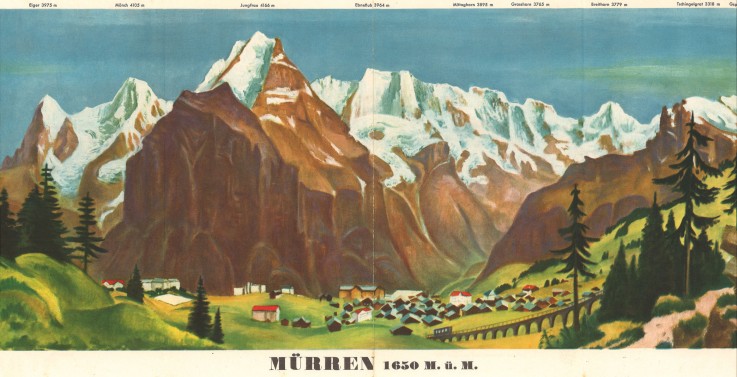
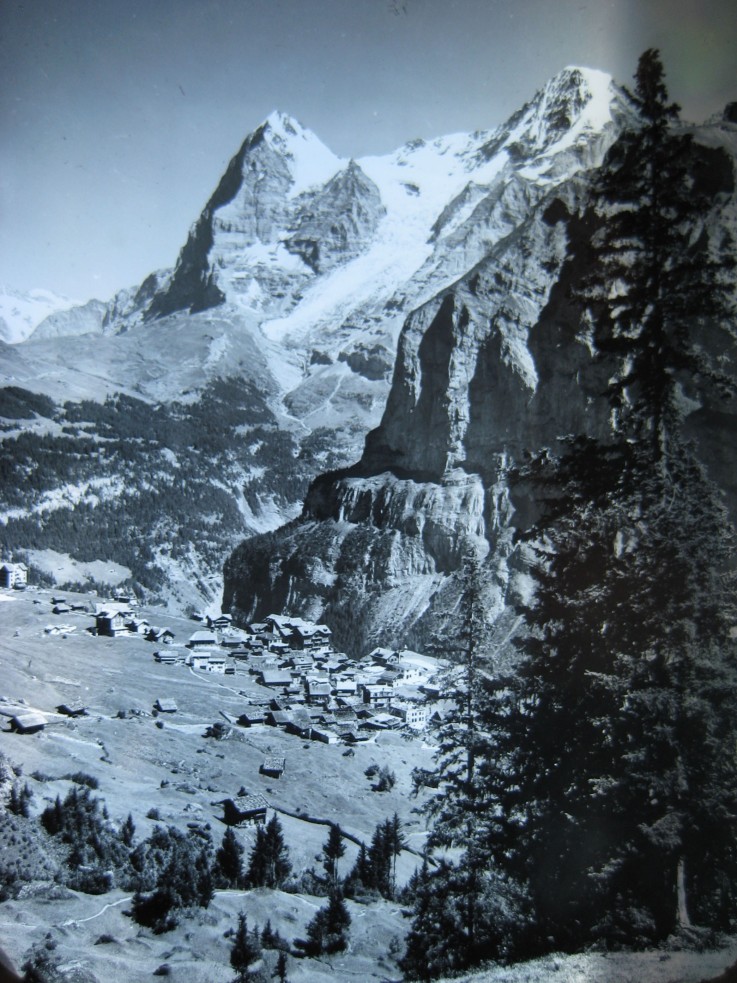
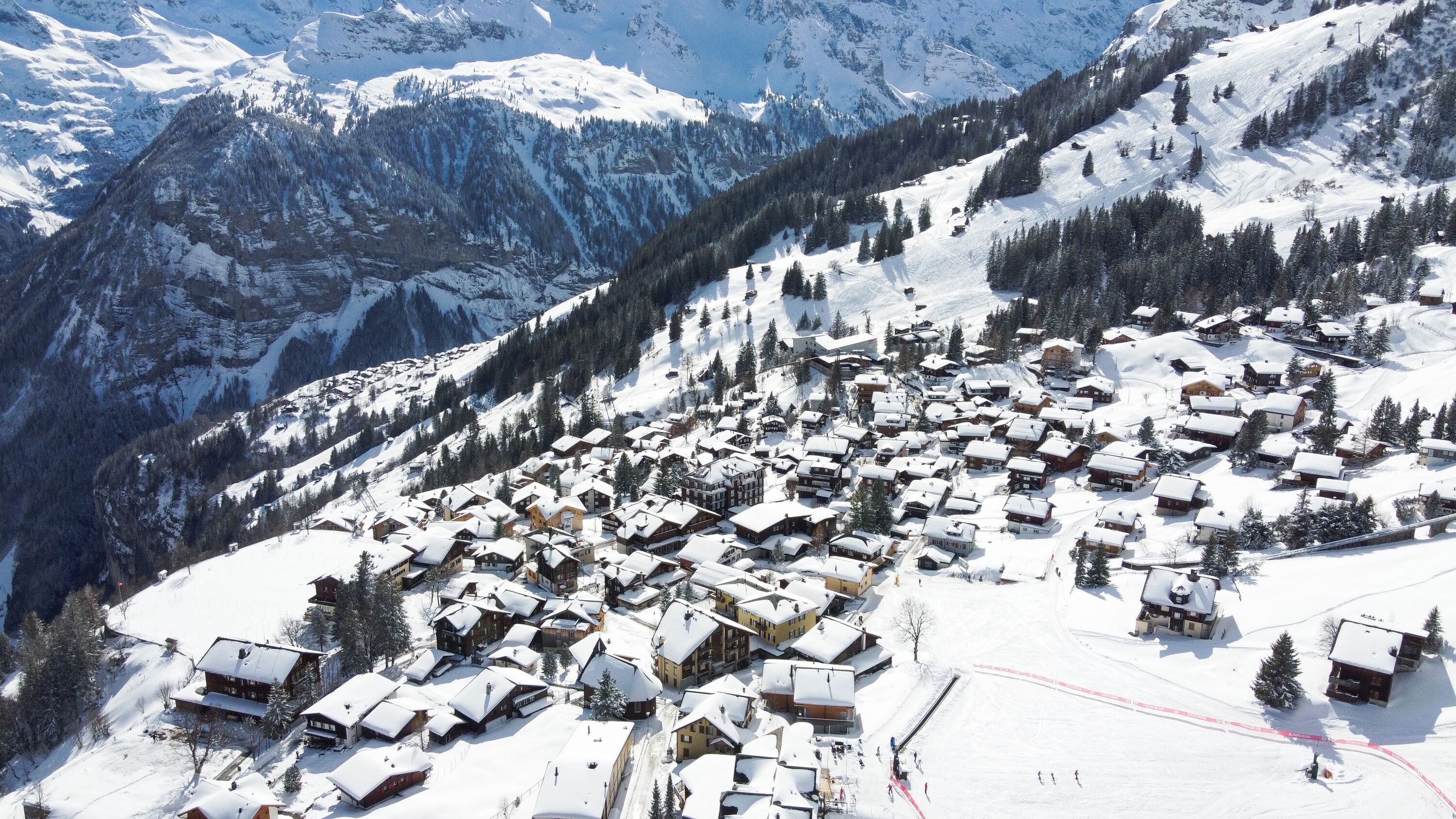
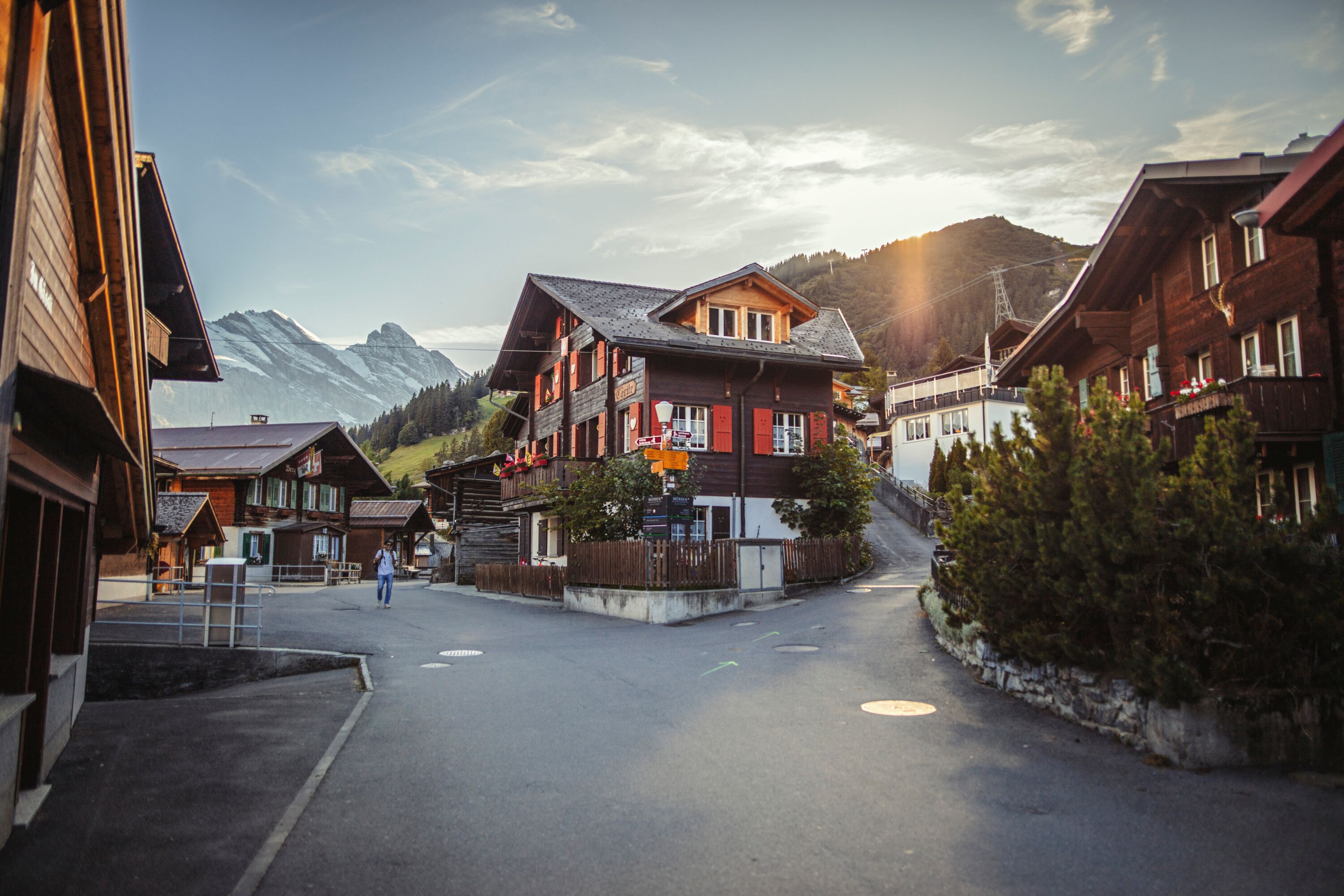
Nomen est omen
The name is a sign. The Roman poet was right, of course. When people think of Wengen, Mürren and Lauterbrunnen, that can definitely be said – without blushing.

More information
Talmuseum Lauterbrunnen
More information
Photos: Jungfrau Region, Jungfraubahnen
Story: André Wellig
Autumn 2017
Contact
Jungfrau Region Tourismus AG
Kammistrasse 13
CH-3800 Interlaken
Tel. +41 33 521 43 43
info@jungfrauregion.swiss


